


Heat pump rebates in Gresham can knock thousands of dollars off the cost of replacing an old furnace, and yes, several programs can be combined. That means a homeowner staring down a tired gas furnace has a genuine financial path toward an efficient, all-in-one heating and cooling system. The catch is that most people don't realize how many of these incentives can be layered together.
October is the ideal window to act. Cooler nights are settling in around Gresham. The coldest stretch of winter hasn't hit yet. That leaves plenty of time to plan a retrofit before your furnace reaches its limit.
Why Now Is the Right Time to Retrofit
Aging furnaces tend to fail during the first hard cold snap, not before. Waiting until December often means an emergency call instead of a planned upgrade with rebates in hand.
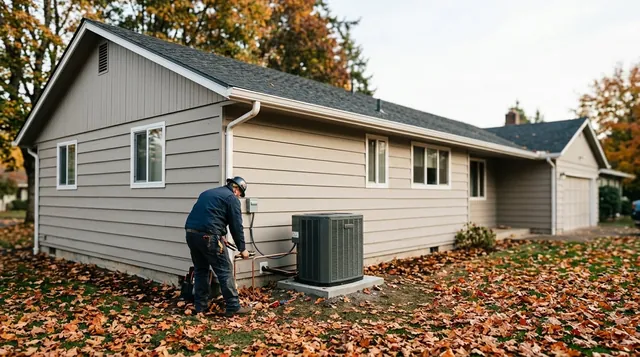
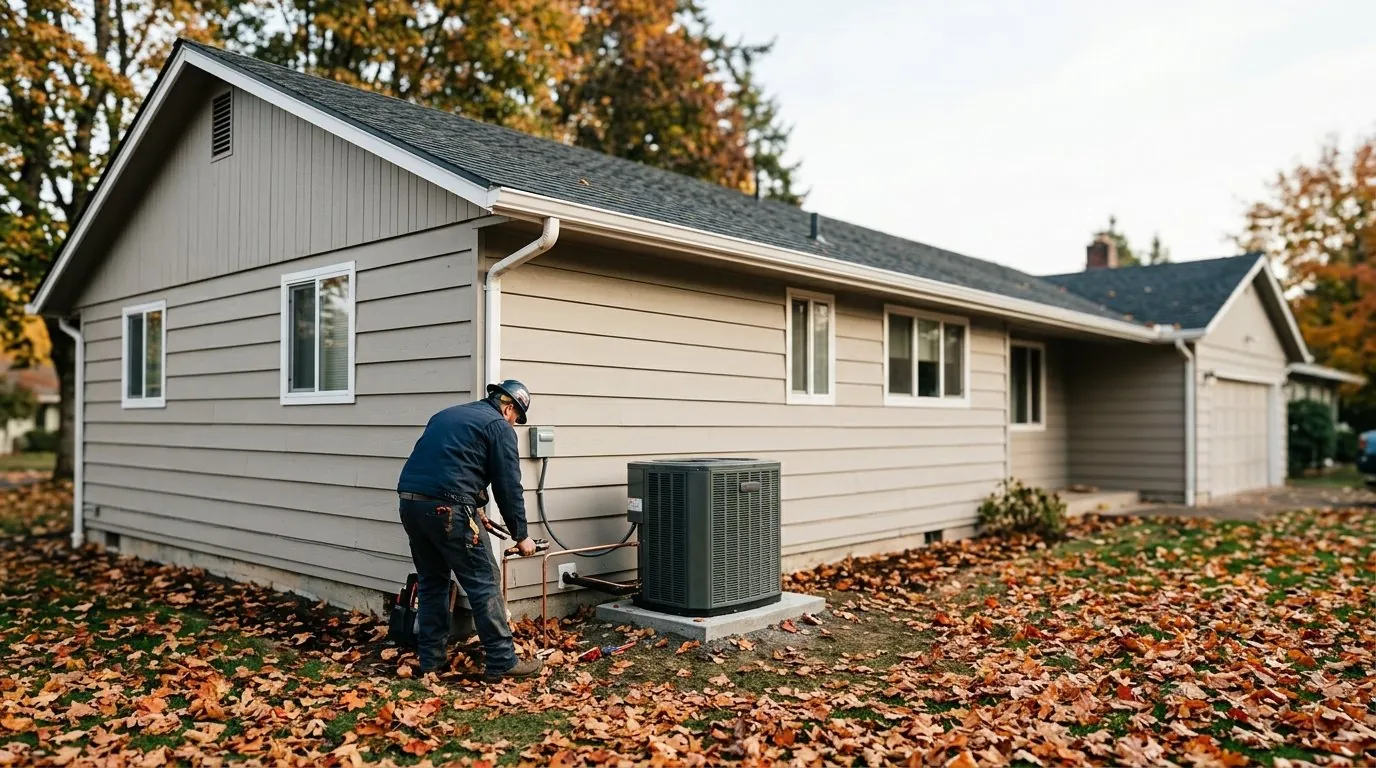
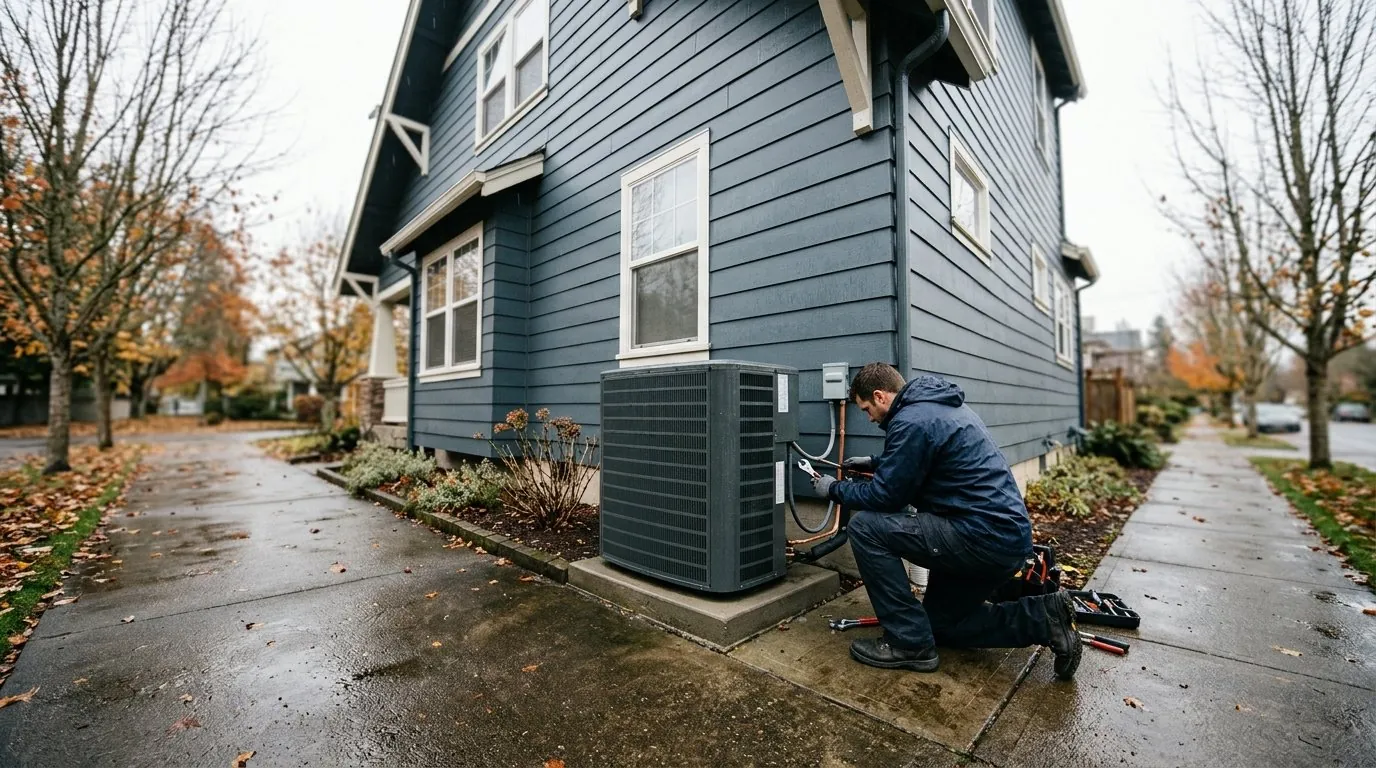
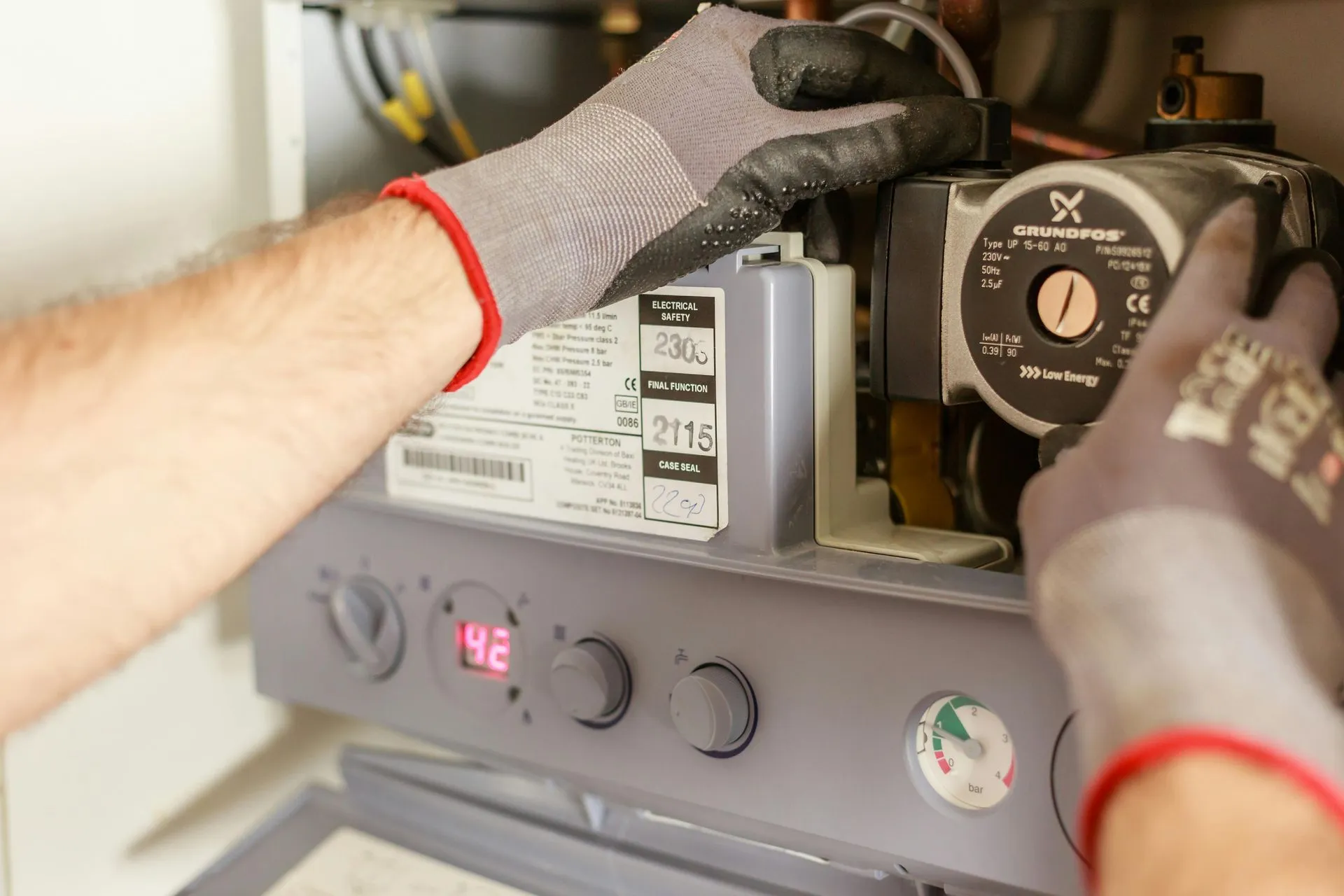
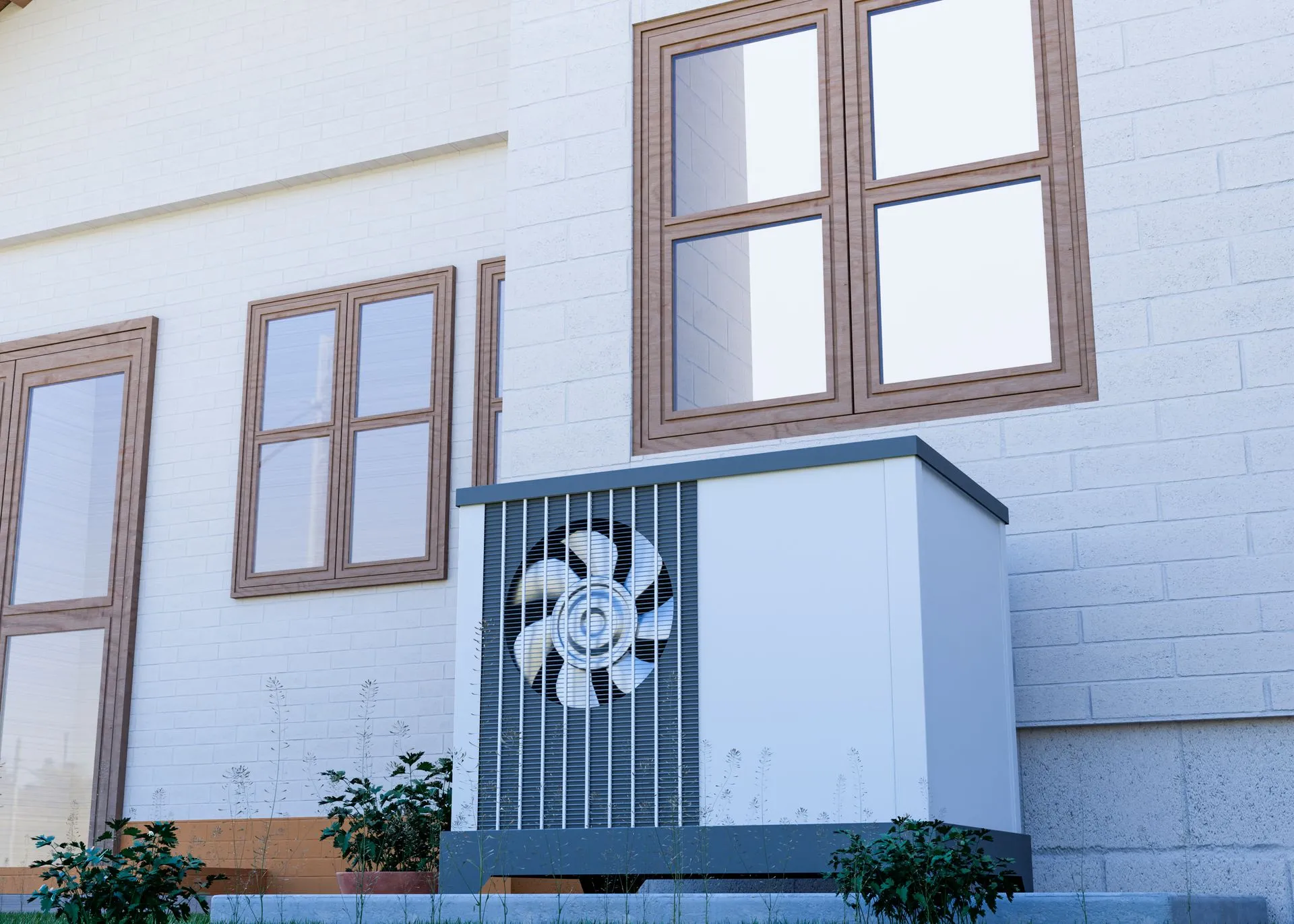
A heat pump retrofit replaces both your heating and cooling equipment with a single electric system. It heats your home in winter and cools it in summer. That matters more than ever, given the extreme heat days the region has seen recently. Scheduling the work now avoids the rush and gives your installer time to handle permitting and rebate paperwork properly.
The Rebate Stack: How the Numbers Add Up
The real advantage isn't just one rebate. It's the ability to combine multiple programs on a single qualifying heat pump installation.
- Energy Trust of Oregon: Offers cash rebates up to $3,000 for qualifying ducted or ductless heat pumps.
- Oregon Heat Pump Purchase Program (HP3): Adds up to $2,000 on top of that, for eligible households.
- Home Electrification and Appliance Rebate (HEAR): Provides even larger savings for income-qualified households looking to replace older, less efficient systems.
Stacked together, these programs can significantly lower the upfront cost of a full system replacement. The specific combination and amount depends on your income level, current equipment, and the model installed. So it pays to have a contractor walk through eligibility with you before signing off on equipment.
What Qualifies as a "Heat Pump" Retrofit
Not every piece of equipment marketed as efficient will unlock these rebates. Programs are typically tied to specific efficiency ratings and installation standards.
Homeowners generally have two paths:
- Ducted heat pumps that tie into existing ductwork, replacing a furnace and central AC in one move.
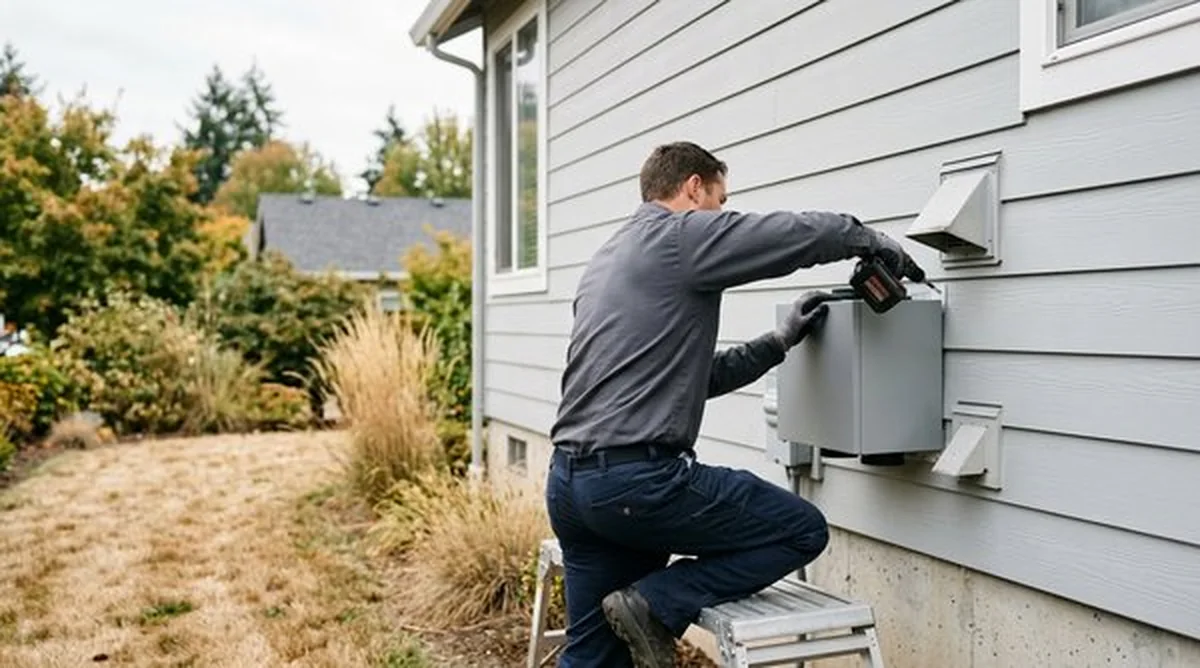
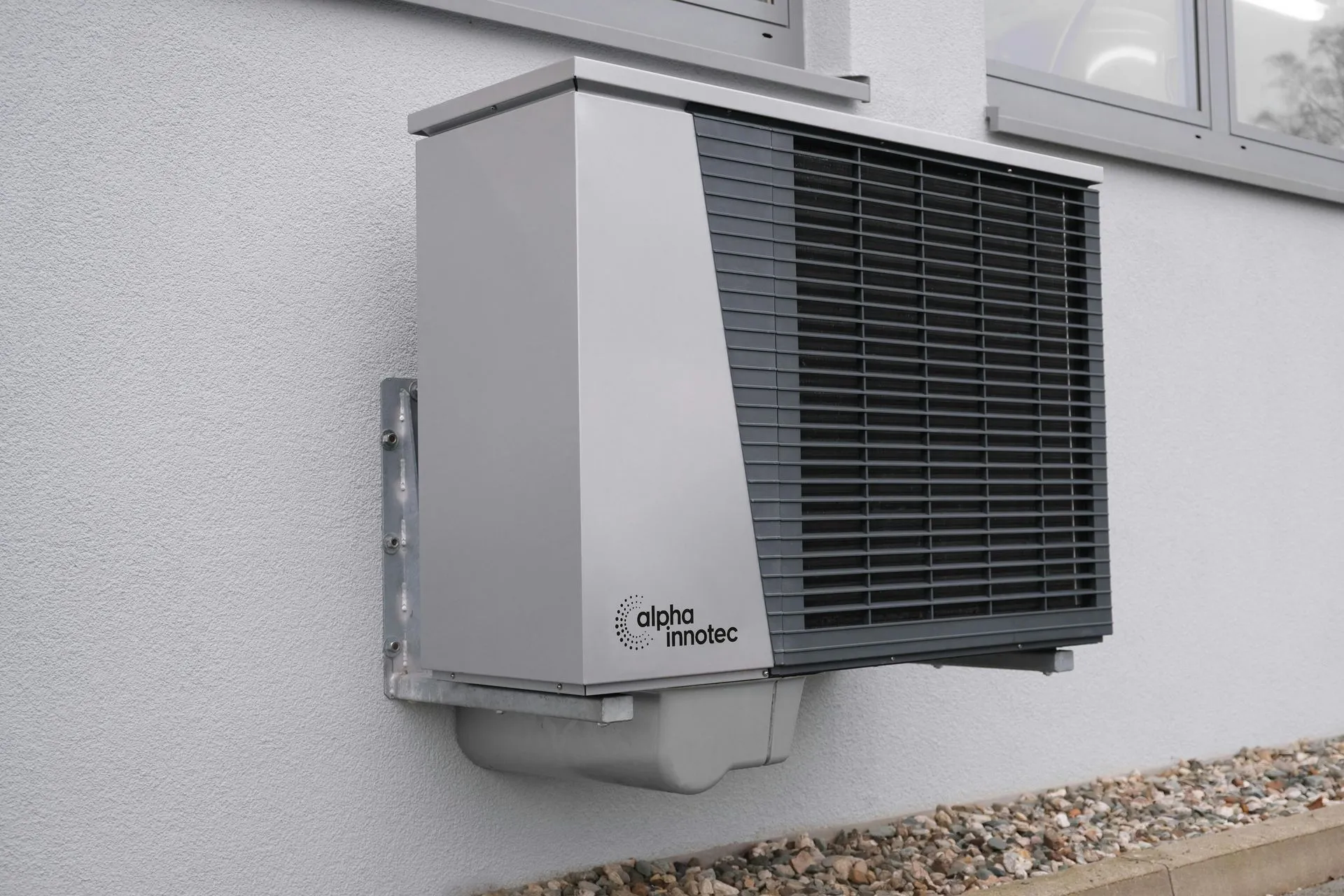
- Ductless mini-split heat pumps for homes without ducts, or for targeting specific rooms and additions.
Both options qualify for utility and state rebates when installed correctly and sized appropriately for the home. An equipment retrofit and replacement evaluation is the best way to determine which setup fits your house, your ductwork, and your budget.
Common Mistakes That Cost Homeowners Rebate Money
A surprising number of homeowners miss out on rebates simply because of avoidable errors. Watch for these pitfalls:
- Purchasing equipment before confirming it meets the efficiency thresholds required by the rebate program.
- Skipping the pre-installation paperwork that some programs require before work begins.
- Assuming income-qualified programs like HEAR won't apply to your household without actually checking eligibility.
- Hiring an installer unfamiliar with how to properly file for stacked incentives.
Each of these mistakes can mean leaving real money on the table. A contractor who regularly handles these applications will know exactly what documentation each program needs.
What a Proper Heat Pump Installation Looks Like
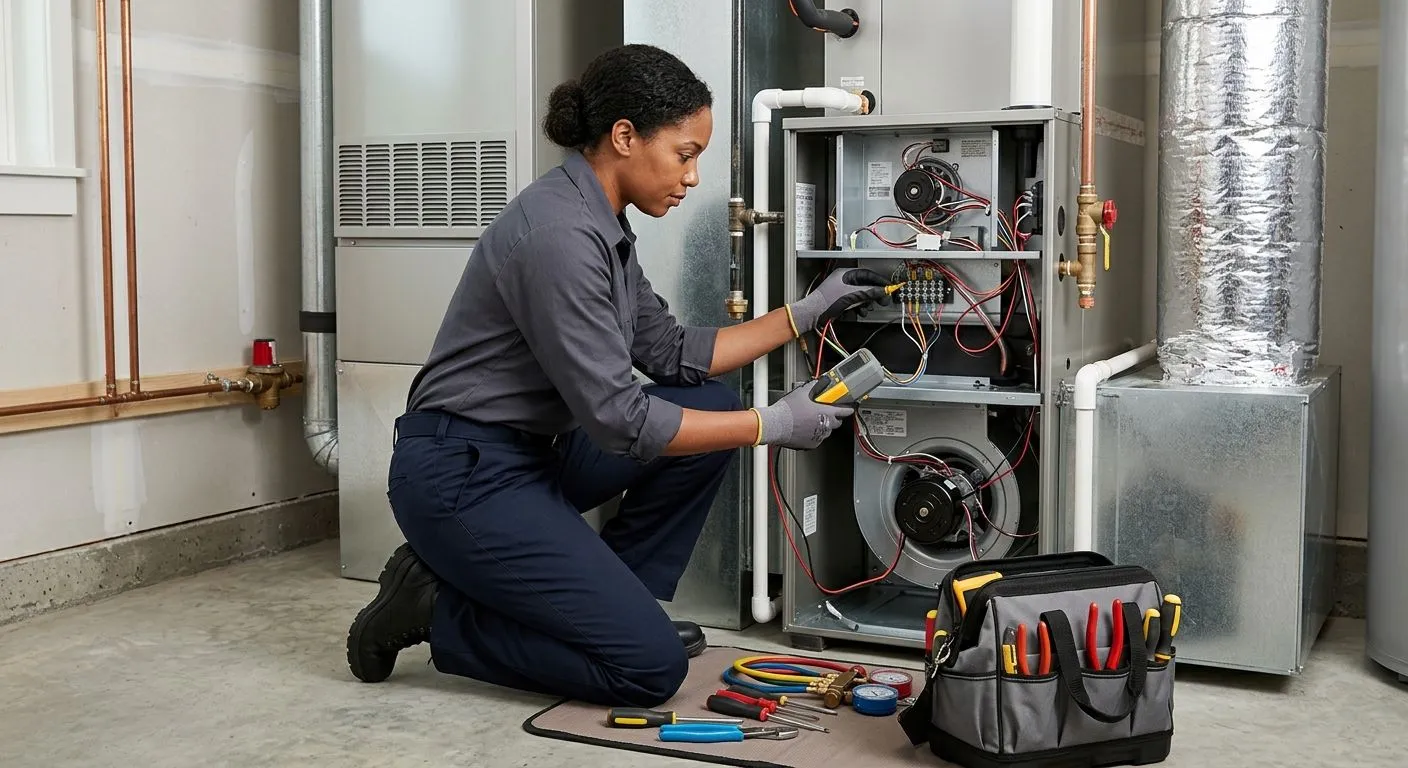
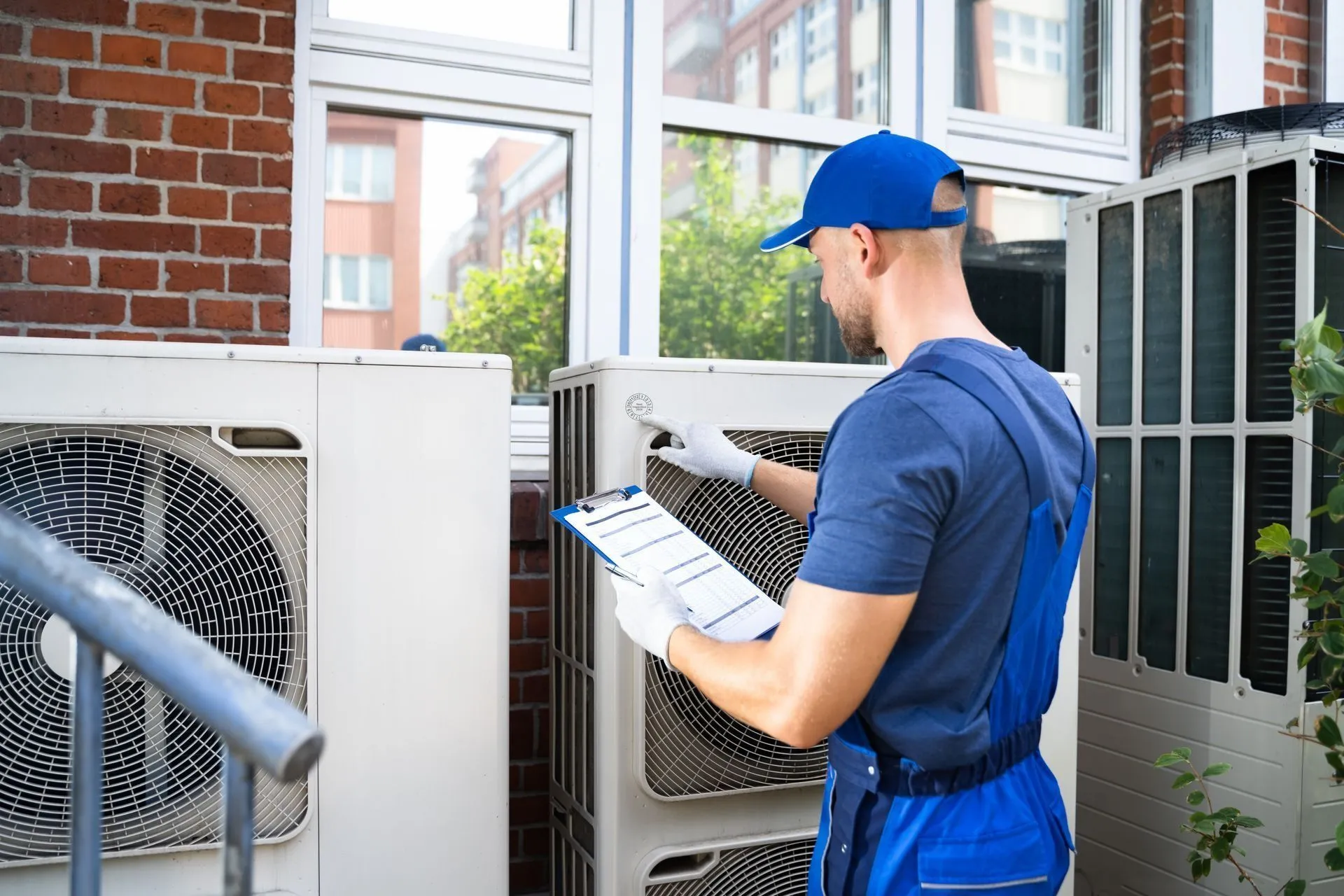
A rushed installation can undercut both your comfort and your rebate eligibility. Proper sizing, based on your home's square footage and insulation, is critical to performance.
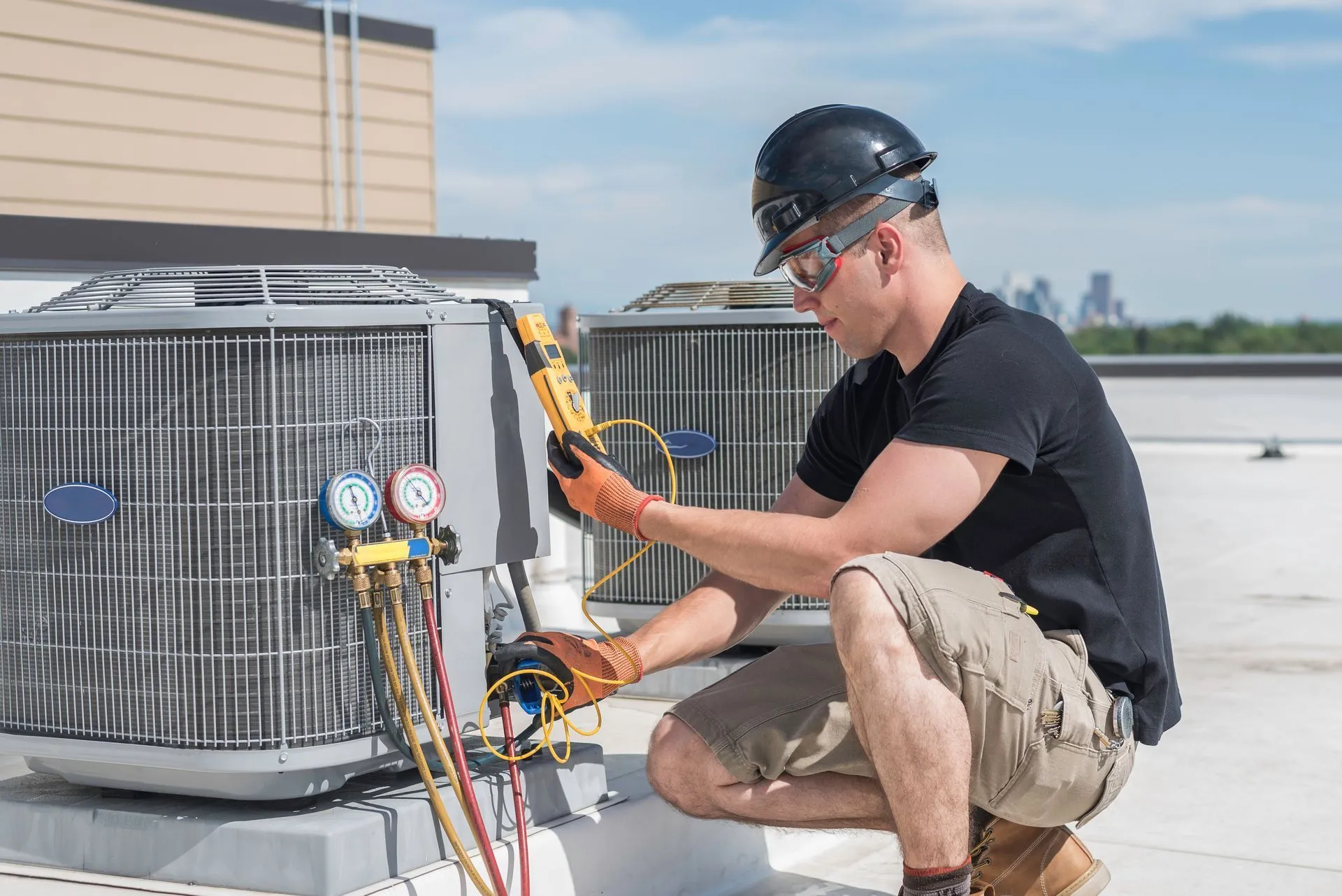
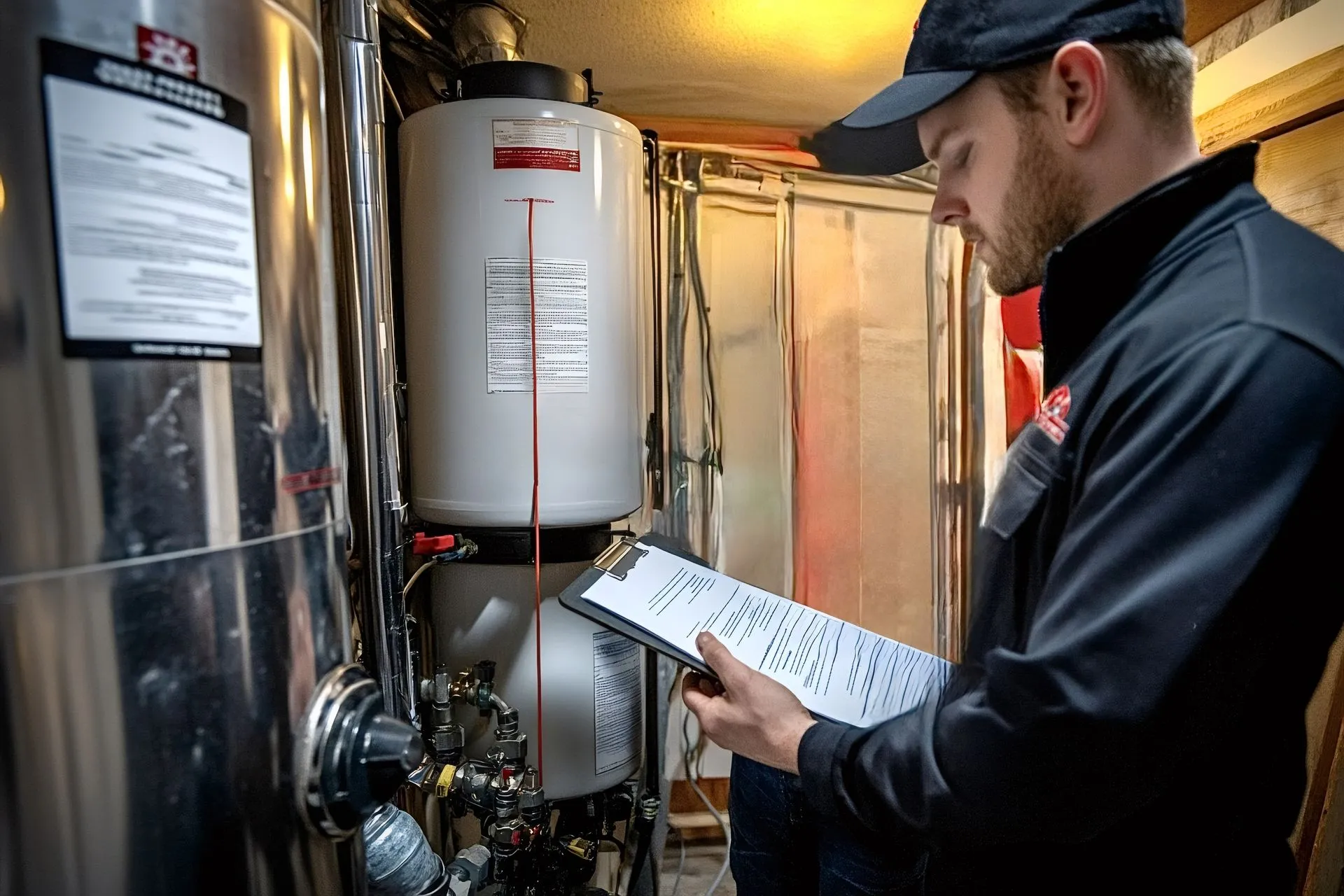
Oversized units cycle on and off too quickly, wasting energy and wearing out components early. Undersized units struggle to keep up during cold snaps, defeating the purpose of the upgrade entirely. A qualified technician will calculate heating and cooling loads room by room, not just guess based on your old furnace's size.
Homeowners in the area often mention how much they value straightforward pricing and technicians who explain the process clearly before work begins. That kind of transparency matters even more on a project involving rebate paperwork and multiple funding sources.
Getting Started With Heat Pump Rebates in Gresham
Before committing to a specific heat pump model, gather a few pieces of information. Know your household income bracket, your current system's age, and whether your home has existing ductwork.
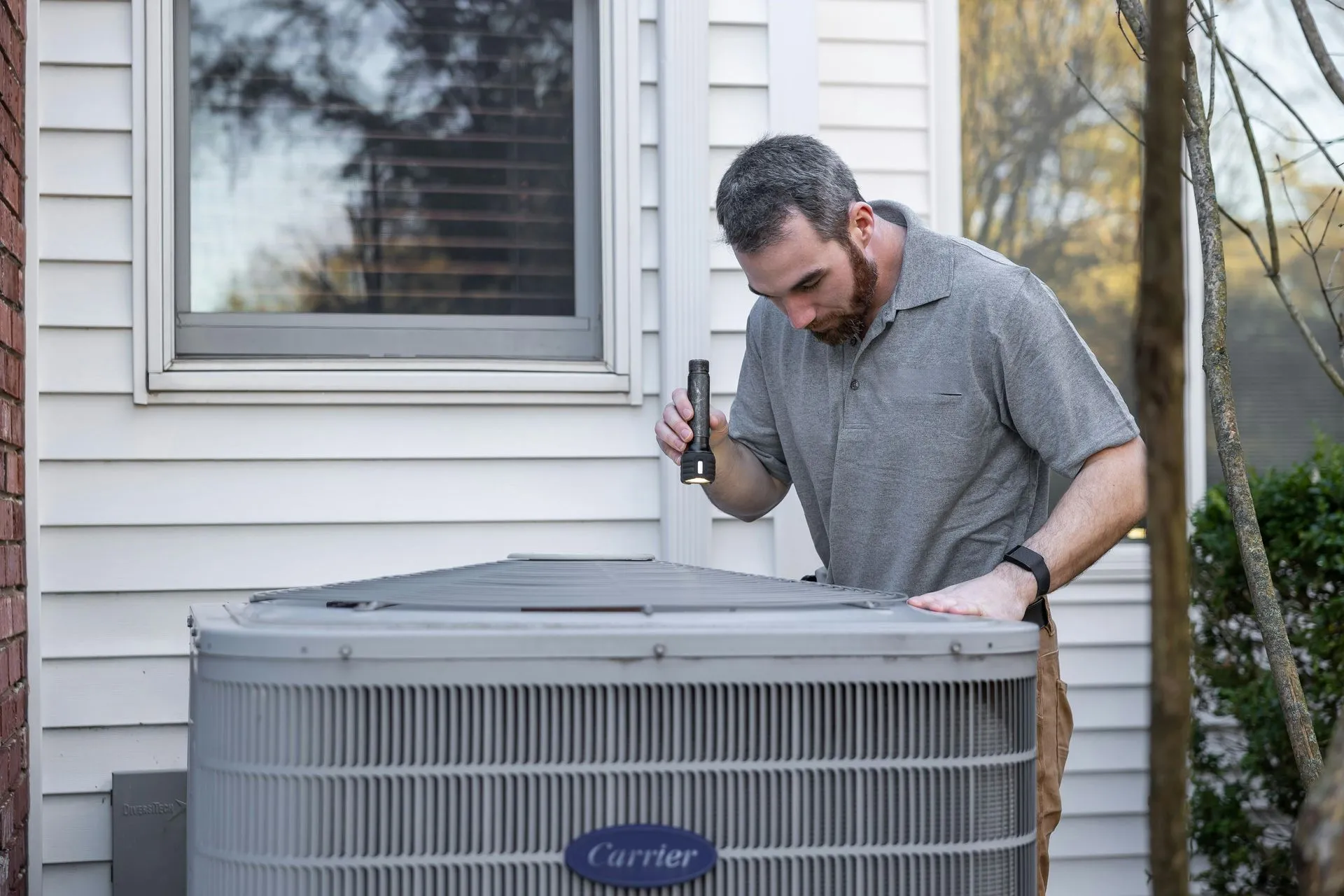
From there, a technician can walk you through which rebates apply and estimate your out-of-pocket cost after incentives. FTM Heating and Cooling has handled these retrofits across Gresham and the Greater Portland Area. The company also helps homeowners navigate the technical and financial sides of the upgrade.
Ready to see what heat pump rebates in Gresham could mean for your household? Get in touch with our team to schedule an evaluation before the cold weather settles in.
Frequently Asked Questions
Can I combine Energy Trust of Oregon rebates with the HP3 program?
Yes, these programs are designed to be stackable for qualifying ducted or ductless heat pump installations. Combining them can meaningfully reduce your upfront investment.
Do ductless mini-splits qualify for the same rebates as ducted systems?
Both ducted and ductless heat pumps can qualify, as long as the equipment meets the efficiency standards required by each program. Your installer should verify this before purchase.
How do I know if my household qualifies for HEAR rebates?
Eligibility is based on income level relative to your area's median income. A contractor familiar with the program can help you determine your qualification status early in the process.
Is fall a good time to schedule a heat pump retrofit?
Yes. Scheduling before winter's coldest stretch gives time for proper installation, inspection, and rebate processing without the pressure of an emergency breakdown.
Hotter Summers, Smoky Air, and Rising Bills: Why Gresham Homeowners Are Upgrading Their HVAC in 2026



Hotter Summers, Smoky Air, and Rising Bills: Why Gresham Homeowners Are Upgrading Their HVAC in 2026
Hotter Summers, Smoky Air, and Rising Bills: Why Gresham Homeowners Are Upgrading Their HVAC in 2026