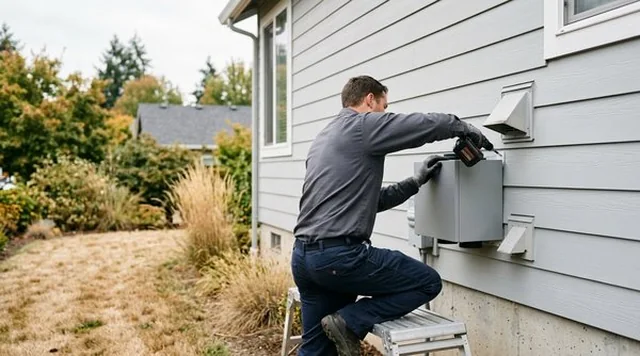



Fresh, filtered air inside your home is no longer guaranteed just by cracking a window. In Gresham and the greater Portland area, wildfire smoke seasons and aging home construction have made indoor air quality a genuine health concern for thousands of families. Heat recovery ventilation (HRV) is one of the most effective solutions available right now.
FTM Heating and Cooling has helped local homeowners tackle this exact problem. This guide explains what HRV systems do, why they matter specifically in this region, and how to know if your home needs one.
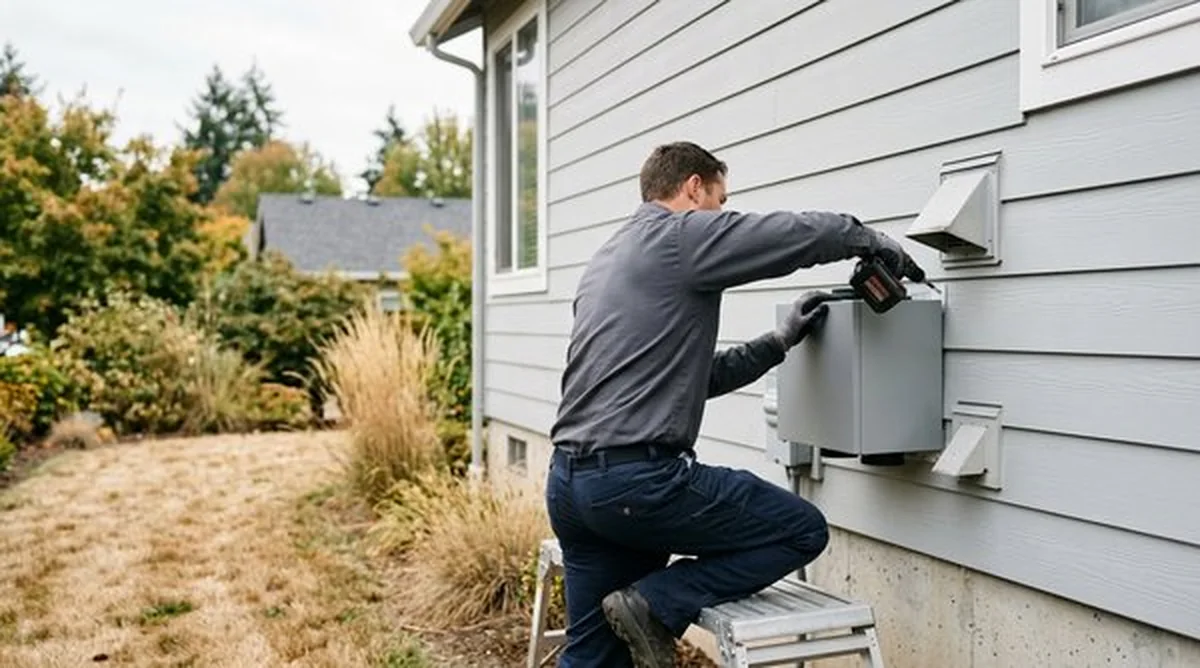
What Is Heat Recovery Ventilation?
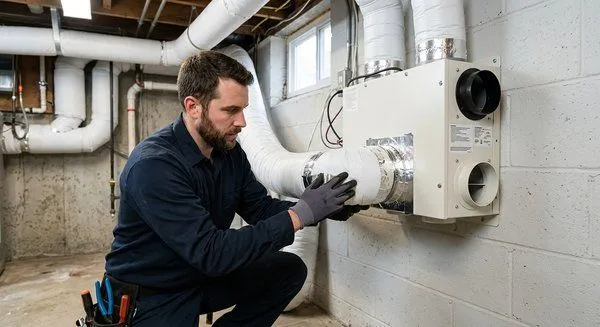
An HRV system continuously exchanges stale indoor air for fresh outdoor air. The clever part is how it handles energy. As outgoing indoor air passes through the unit, it transfers its warmth to the incoming fresh air stream. You get constant ventilation without losing the heat you already paid for.
This is not just a comfort upgrade. It is a mechanical solution to a real problem: modern homes sealed tightly for energy efficiency can trap pollutants, moisture, and allergens inside. An HRV breaks that cycle.
Why Gresham Homeowners Need This Now
The Pacific Northwest has changed. Summer wildfire smoke is no longer a one-week nuisance. It has become a multi-week seasonal event that blankets the region in fine particulate matter, known as PM2.5.
Simply closing your windows does not solve the problem. Fine smoke particles seep through wall cavities, floor joists, and structural gaps that most homeowners never think about. Once inside, those particles accumulate in the air your family breathes every day.
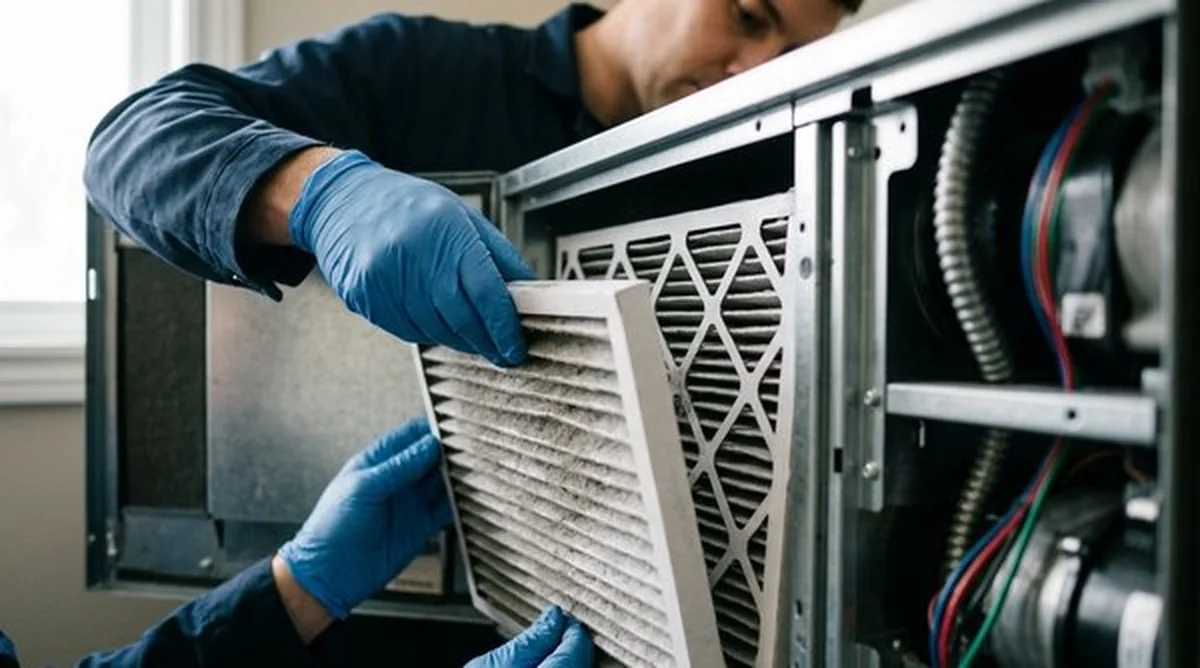
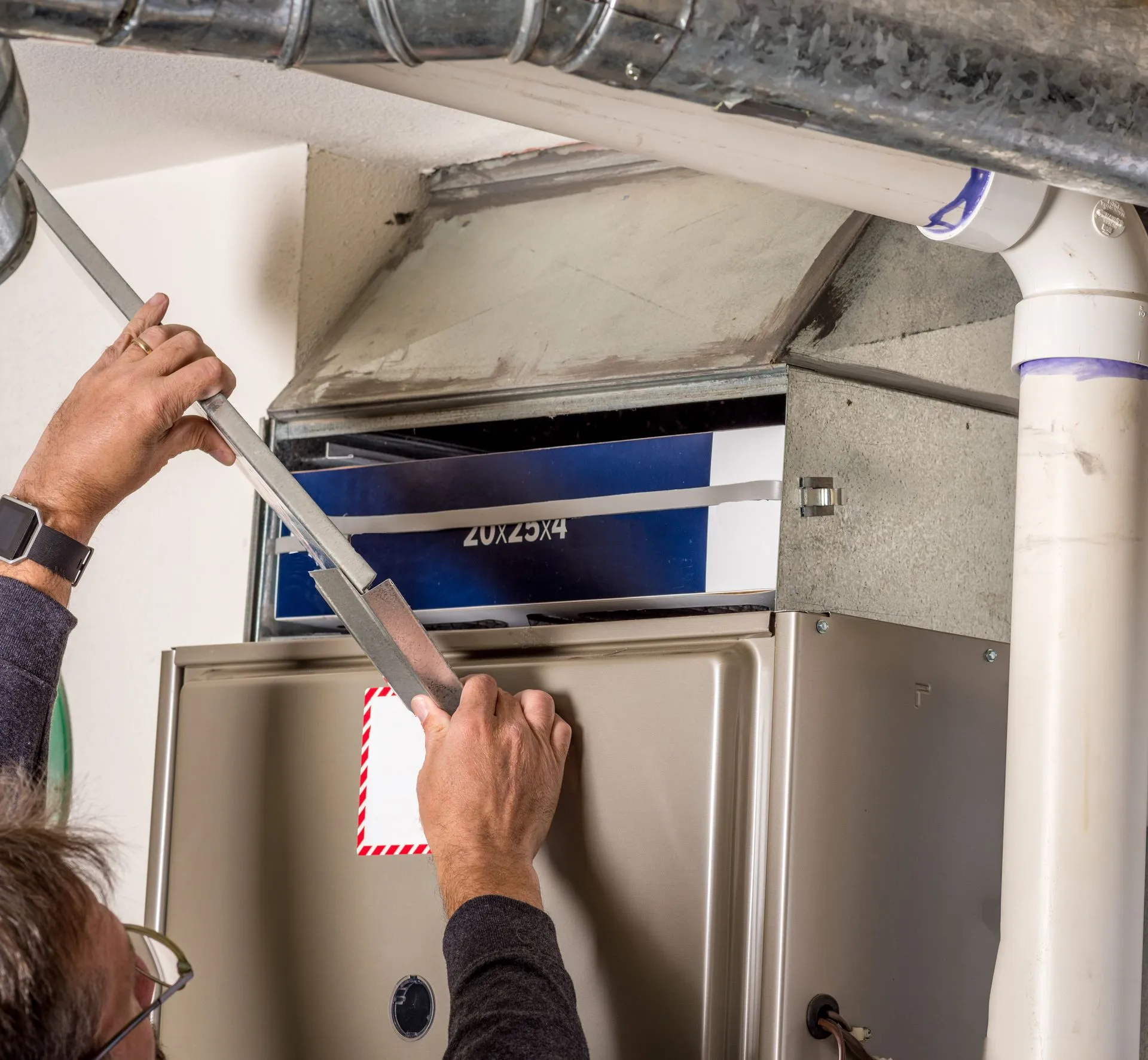
An HRV system addresses this directly. It draws incoming air through high-efficiency filtration before circulating it through your living spaces. Pairing your HRV with a MERV-13 filter provides a meaningful reduction in indoor particle penetration, according to current air quality research. That is a significant upgrade from the standard filters most Gresham homes currently use.
The Energy Efficiency Angle You May Not Expect
Some homeowners assume that continuous ventilation means higher energy bills. With a properly installed heat recovery ventilation system, that assumption is wrong.
The heat exchange core at the center of the unit recovers the thermal energy from outgoing air and transfers it to incoming air. In practice, your furnace or heat pump does far less work. It no longer has to bring fresh air up to room temperature from scratch every cycle.
This matters a great deal in fall and winter, when Gresham temperatures drop and homes stay buttoned up for weeks. The HRV keeps air fresh without the energy penalty you would pay by simply opening a window.
How HRV Systems Work With Your Existing HVAC Equipment
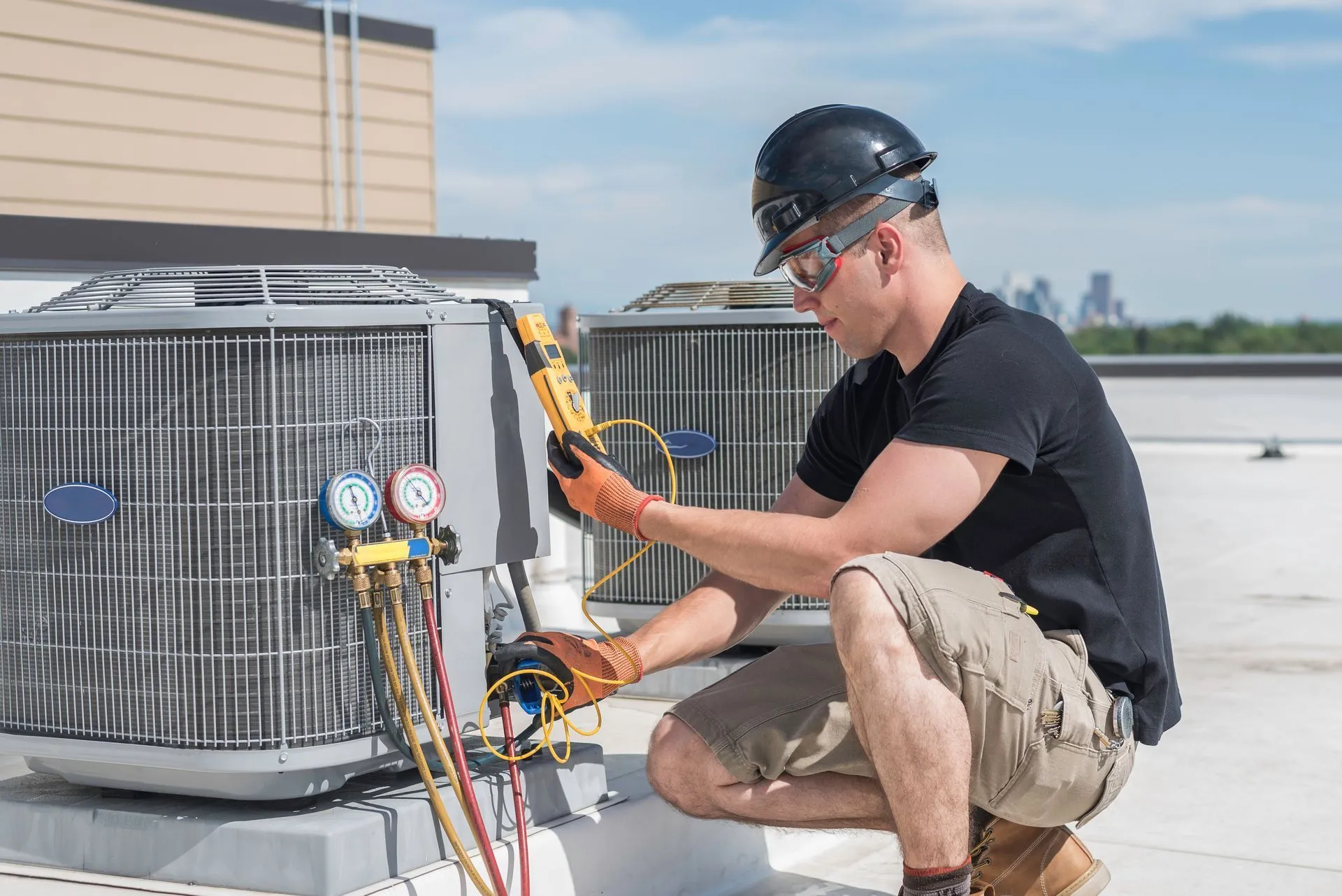
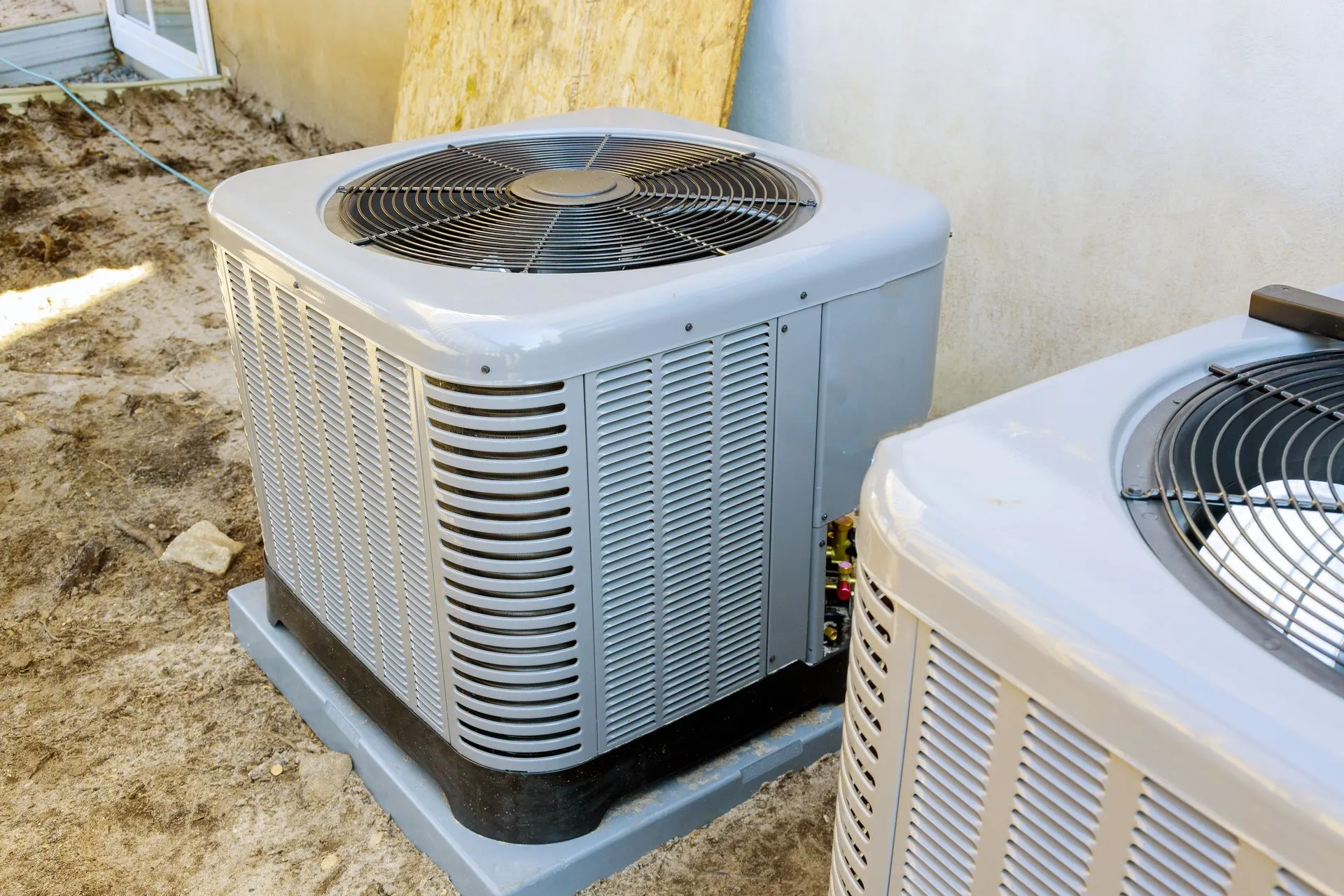
A common question is whether an HRV replaces your furnace, heat pump, or air conditioner. It does not. An HRV works alongside your existing system.
Here is a simple breakdown of how the two work together:
- Your furnace or heat pump heats or cools the air already in your home.
- Your HRV continuously refreshes that air with filtered outdoor air.
- The two systems communicate so fresh air is distributed evenly through your existing ductwork.
- Humidity levels stay balanced, reducing condensation and mold risk.
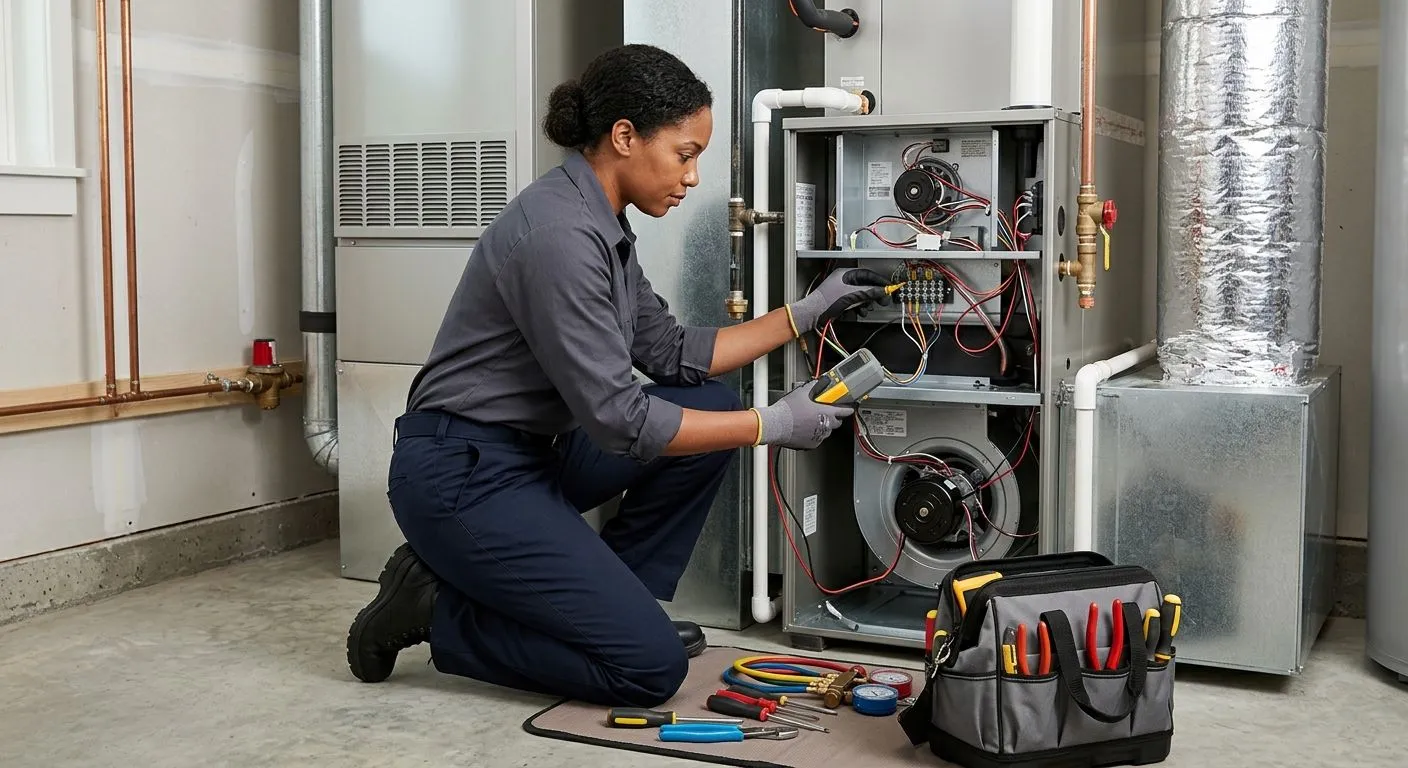
This compatibility makes HRV installation a practical upgrade for most Gresham homes, including older tract homes built before central cooling became standard. A qualified technician can assess your existing ductwork and recommend the right unit size for your square footage.
Signs Your Home Would Benefit From an HRV
Not every home shows obvious signs of poor ventilation. But there are clear indicators worth paying attention to:
- Condensation on windows, especially in cooler months.
- A stale or musty smell that returns even after cleaning.
- Family members experiencing increased allergy or asthma symptoms indoors.
- Visible mold or mildew growth in bathrooms, closets, or crawl spaces.
- Your home feels stuffy or heavy during wildfire smoke events.
- You have recently air-sealed or added insulation and noticed air quality decline.
Any one of these is worth a professional evaluation. Multiple signs together are a strong signal that your home needs mechanical ventilation.
Rebates and Financial Incentives Available in 2026
Upgrading to an HRV system is an investment, but 2026 offers a strong financial case for acting now. Federal, state, and utility-level incentives can be stacked to reduce your upfront cost significantly.
At the federal level, the IRS Section 25C Energy Efficient Home Improvement Credit allows qualifying homeowners to claim up to $2,000 annually for heat pump-related equipment. Oregon's own heat pump incentive programs offer up to $2,000 in additional support. Local utility partners including the Energy Trust of Oregon, Portland General Electric, and NW Natural provide cash incentives up to $3,000 for qualifying HVAC and energy efficiency installations.
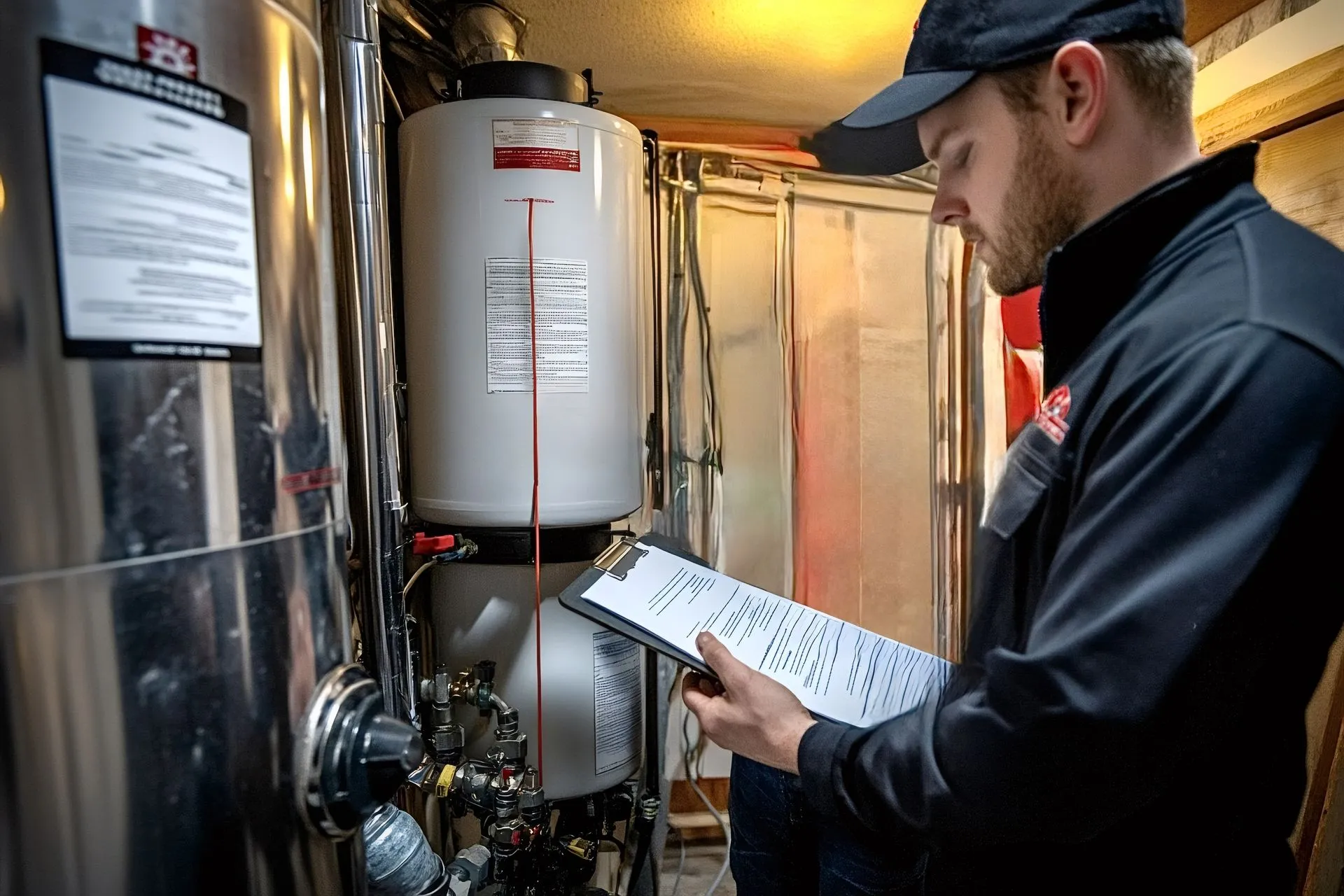
Navigating these programs takes some knowledge. Having a professional installer document your equipment properly is essential. This includes AHRI certification where required to claim what you are owed.
Gresham homes deserve clean air year-round, not just on good weather days. If wildfire smoke, stale air, or rising energy bills have you looking for a real solution, an HRV system could be the right next step. Contact FTM Heating and Cooling today to schedule a home air quality assessment and find out which heat recovery ventilation option fits your home.
Frequently Asked Questions
How is an HRV different from a basic exhaust fan?
An exhaust fan simply pushes stale air outside. An HRV brings fresh air in at the same rate, recovers the heat from outgoing air, and filters the incoming stream. It is a closed-loop system, not just a one-way vent.
Will an HRV help during wildfire smoke season?
Yes. When paired with MERV-13 or better filtration, an HRV significantly reduces the amount of fine particulate matter entering your home. It is one of the most effective whole-home tools for managing smoke infiltration.
How often does an HRV require maintenance?
Most units need filter checks every one to three months and a more thorough inspection once a year. A qualified technician can handle the annual service as part of a broader HVAC maintenance visit.
Can an HRV work in a home without existing ductwork?
Some compact HRV models are designed for smaller spaces or ductless configurations. A professional assessment will determine which setup works best for your home's layout.
Does an HRV add humidity or remove it?
Standard HRV units are designed for moisture balance, not dramatic humidification or dehumidification. They help stabilize indoor humidity by consistently exchanging air, which reduces the moisture buildup that leads to mold.
Hotter Summers, Smoky Air, and Rising Bills: Why Gresham Homeowners Are Upgrading Their HVAC in 2026



Hotter Summers, Smoky Air, and Rising Bills: Why Gresham Homeowners Are Upgrading Their HVAC in 2026
Hotter Summers, Smoky Air, and Rising Bills: Why Gresham Homeowners Are Upgrading Their HVAC in 2026