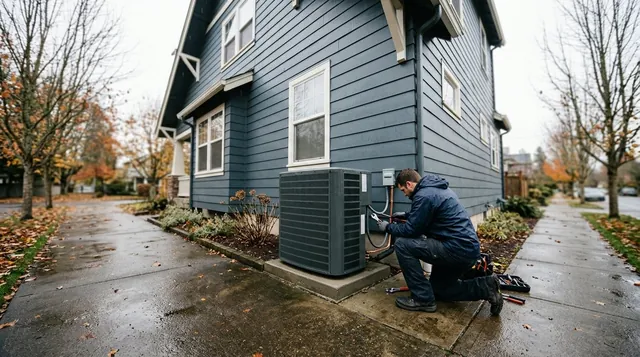



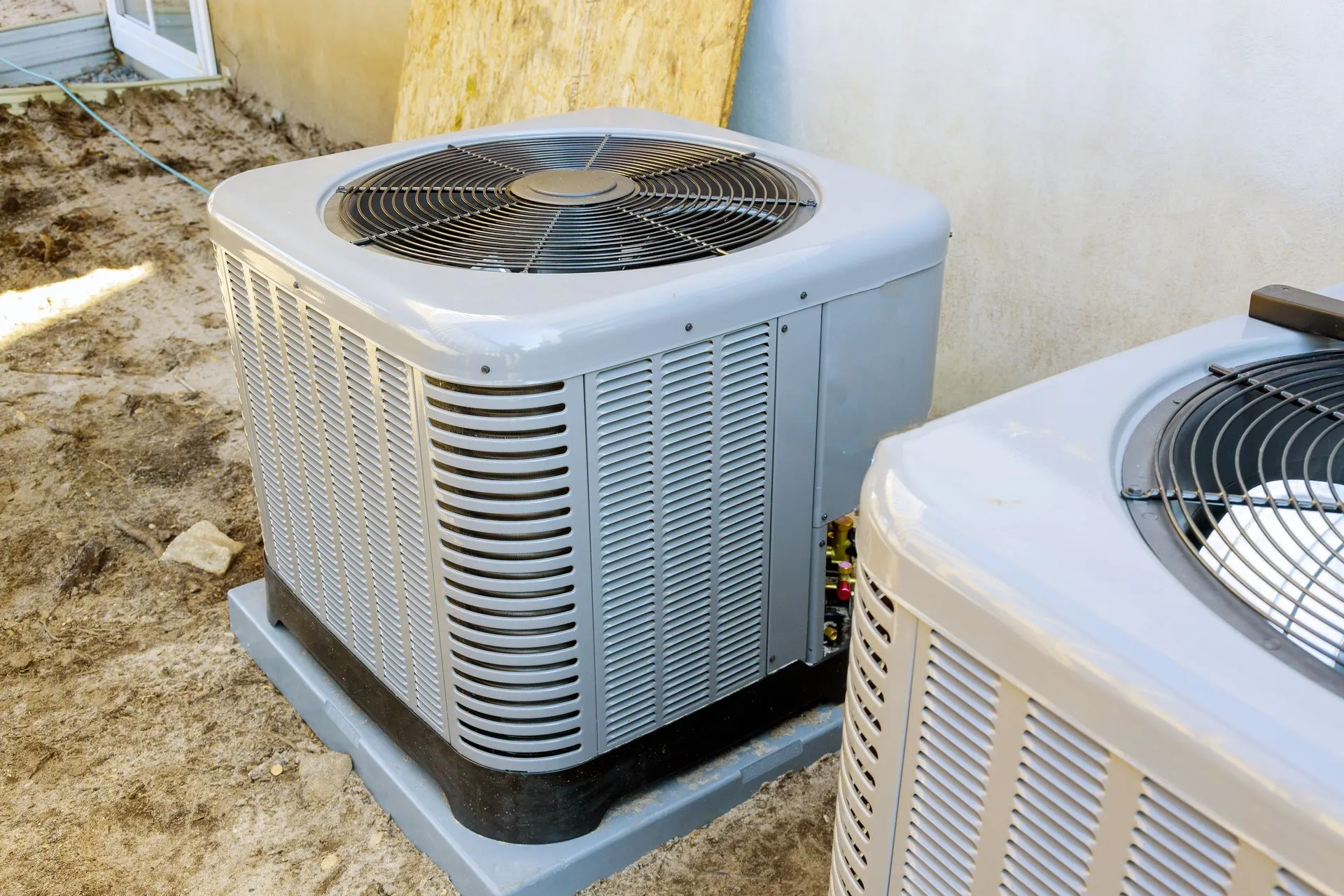
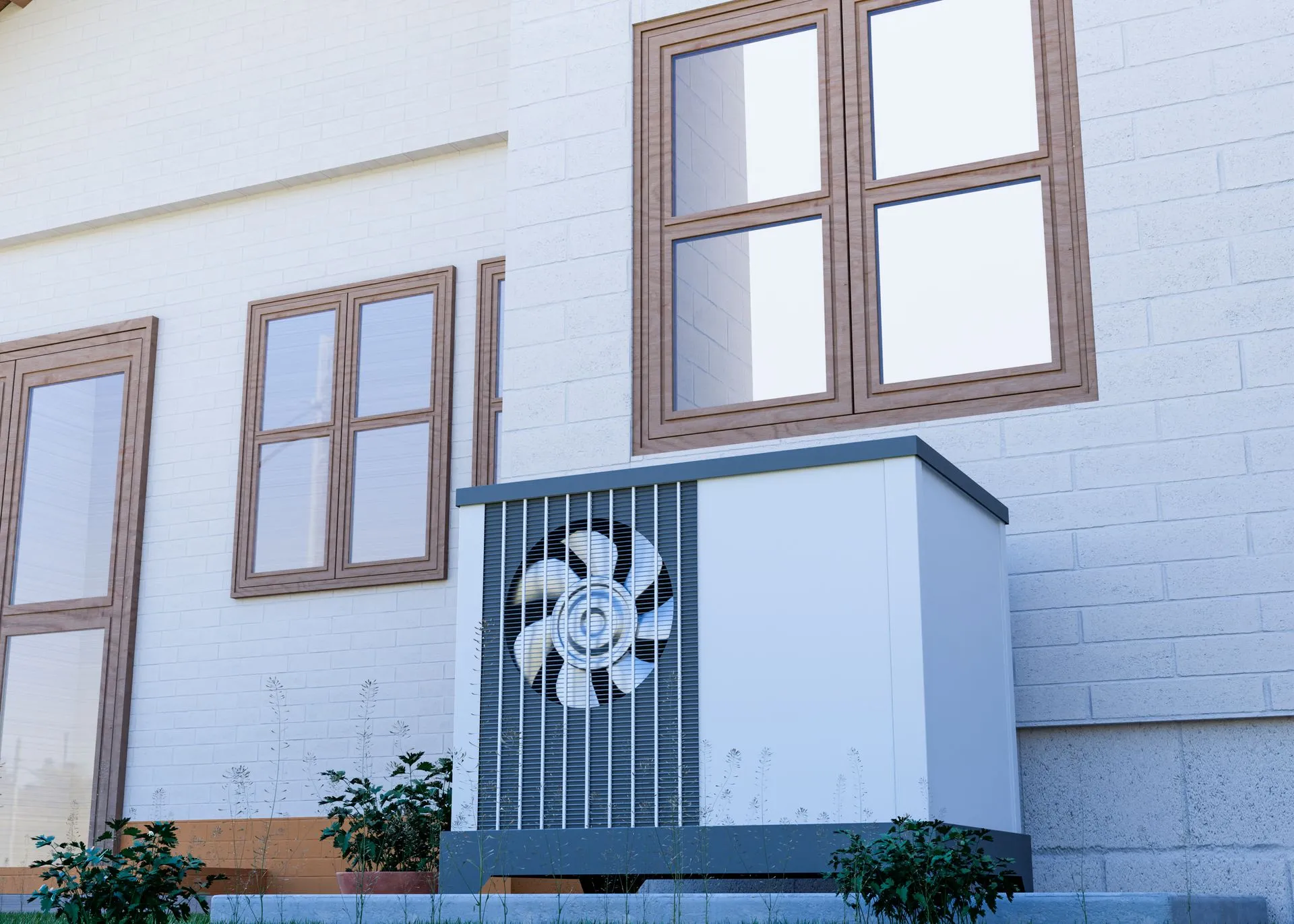
A dual fuel heating system pairs an electric heat pump with a gas furnace. Your home always uses whichever option is most efficient for the weather outside. On a mild November afternoon, the heat pump quietly handles the load. When a hard freeze rolls through the area, the gas furnace steps in automatically. For homeowners juggling an aging furnace, rising utility bills, or an old oil tank, the appeal is simple. This setup solves a real problem: reliable heat without overpaying for it.
FTM Heating and Cooling has watched more Gresham households move toward this hybrid approach as older equipment reaches the end of its service life. It's not a trend built on hype. It's a practical response to how our winters actually behave.
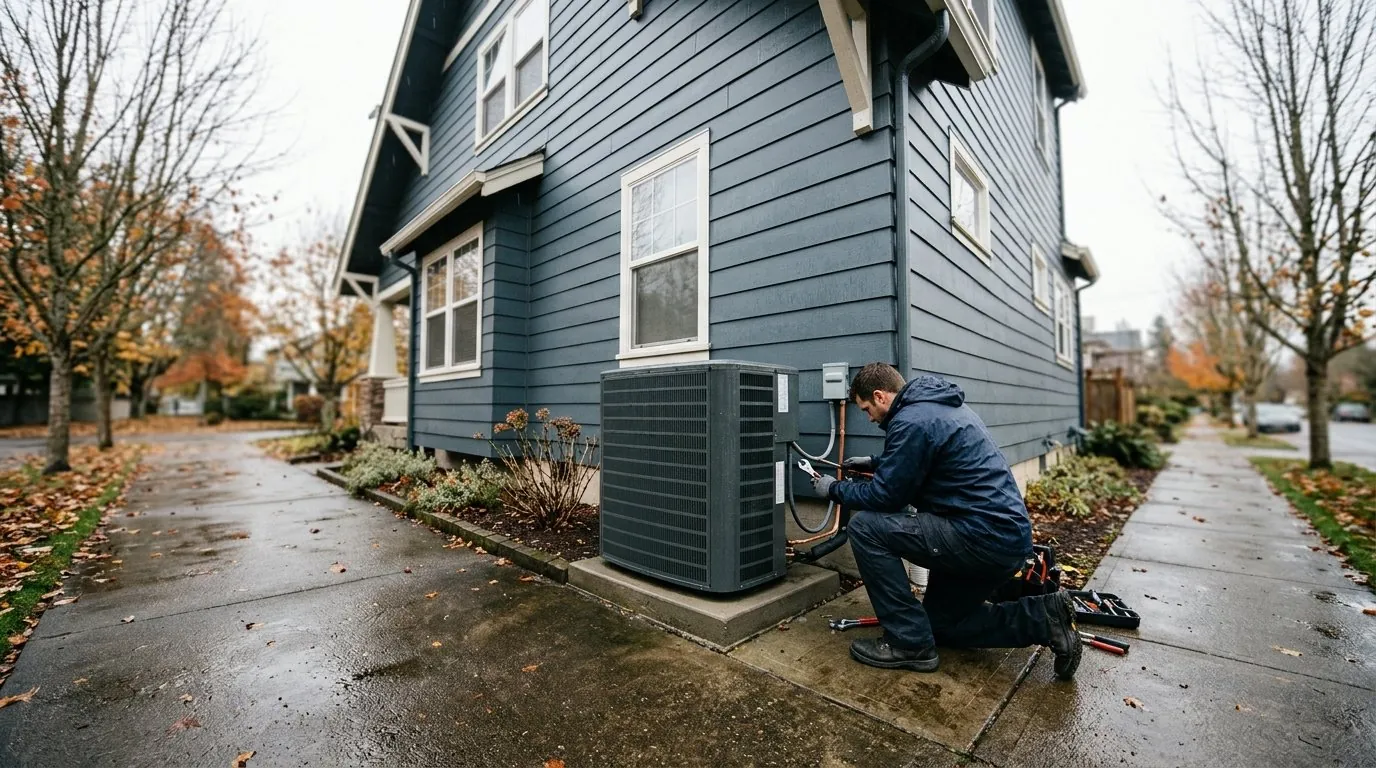
Why Gresham's Climate Favors This Setup
Portland area winters are a study in contrasts. Most days hover in the comfortable 40s, perfect territory for a heat pump to shine. But the occasional arctic blast or ice storm can drop temperatures fast, and that's where straight electric heat pumps start to struggle.
A dual fuel heating system removes the guesswork. The heat pump covers the bulk of the season efficiently, and the furnace only fires up when temperatures demand it. You get year round comfort without choosing between two imperfect extremes.
The Problem With Like-for-Like Furnace Swaps
Many Gresham neighborhoods still run on legacy equipment. Old oil furnaces, outdated gas units, and electric resistance heat quietly drain the power bill every month. When that equipment fails, the easy move is replacing it with something nearly identical.
That approach misses an opportunity. Equipment retrofits that pair a heat pump with a modern furnace typically outperform direct replacements in both comfort and operating cost. A few reasons this matters:
- Resistance heat and older oil furnaces are expensive to run continuously through a Gresham winter.
- A heat pump adds cooling capability for summer, something a furnace alone can't provide.
- Backup gas heat means no loss of comfort during a cold snap or winter storm, even if the heat pump's output dips.
What a Dual Fuel Heating System Retrofit Actually Involves
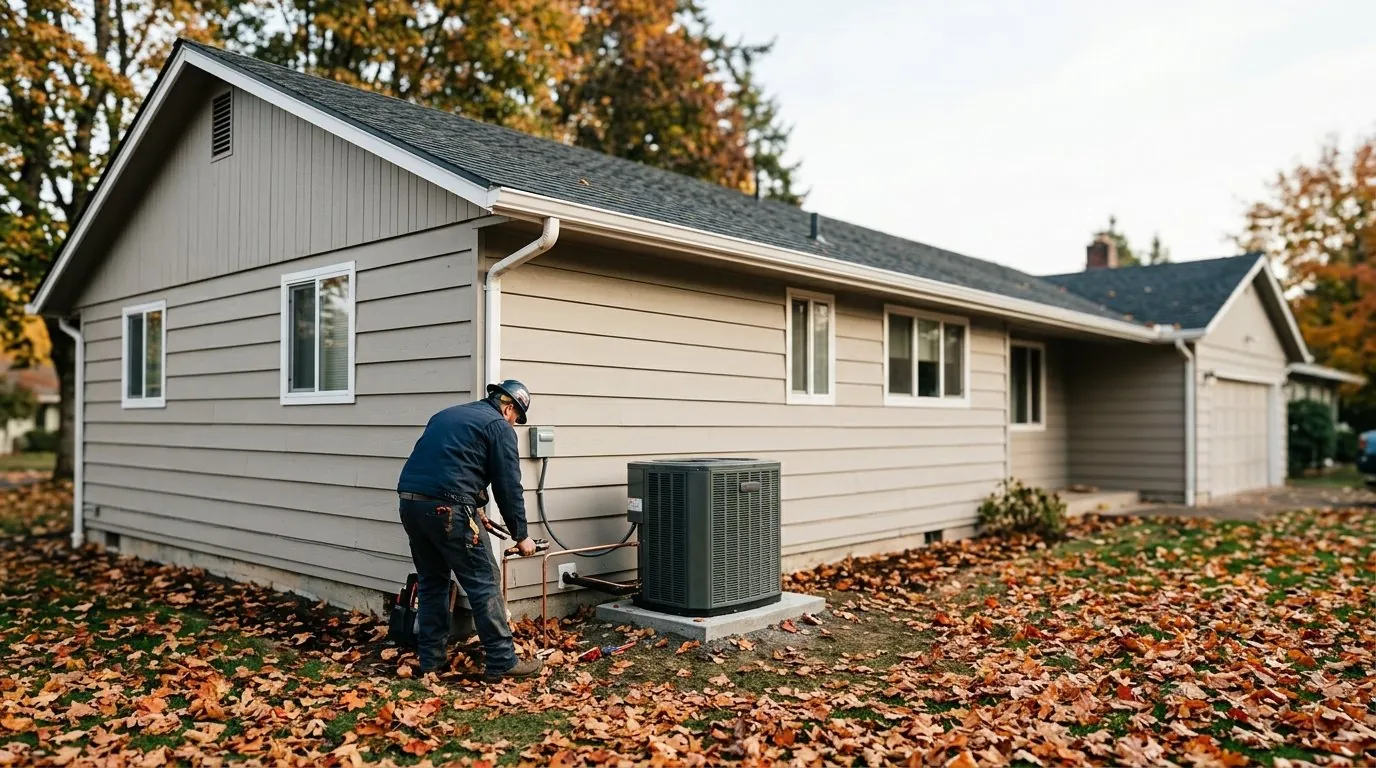
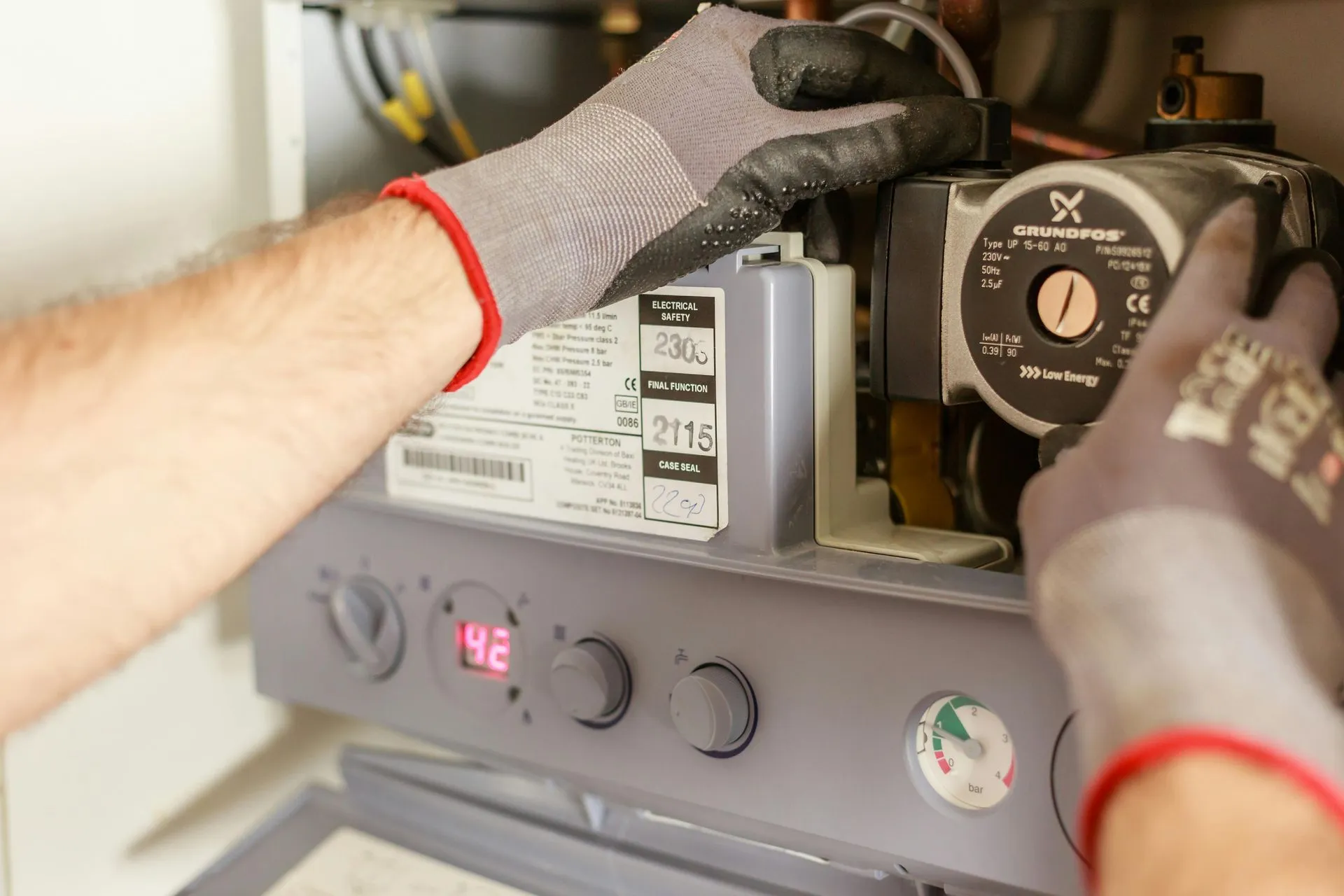
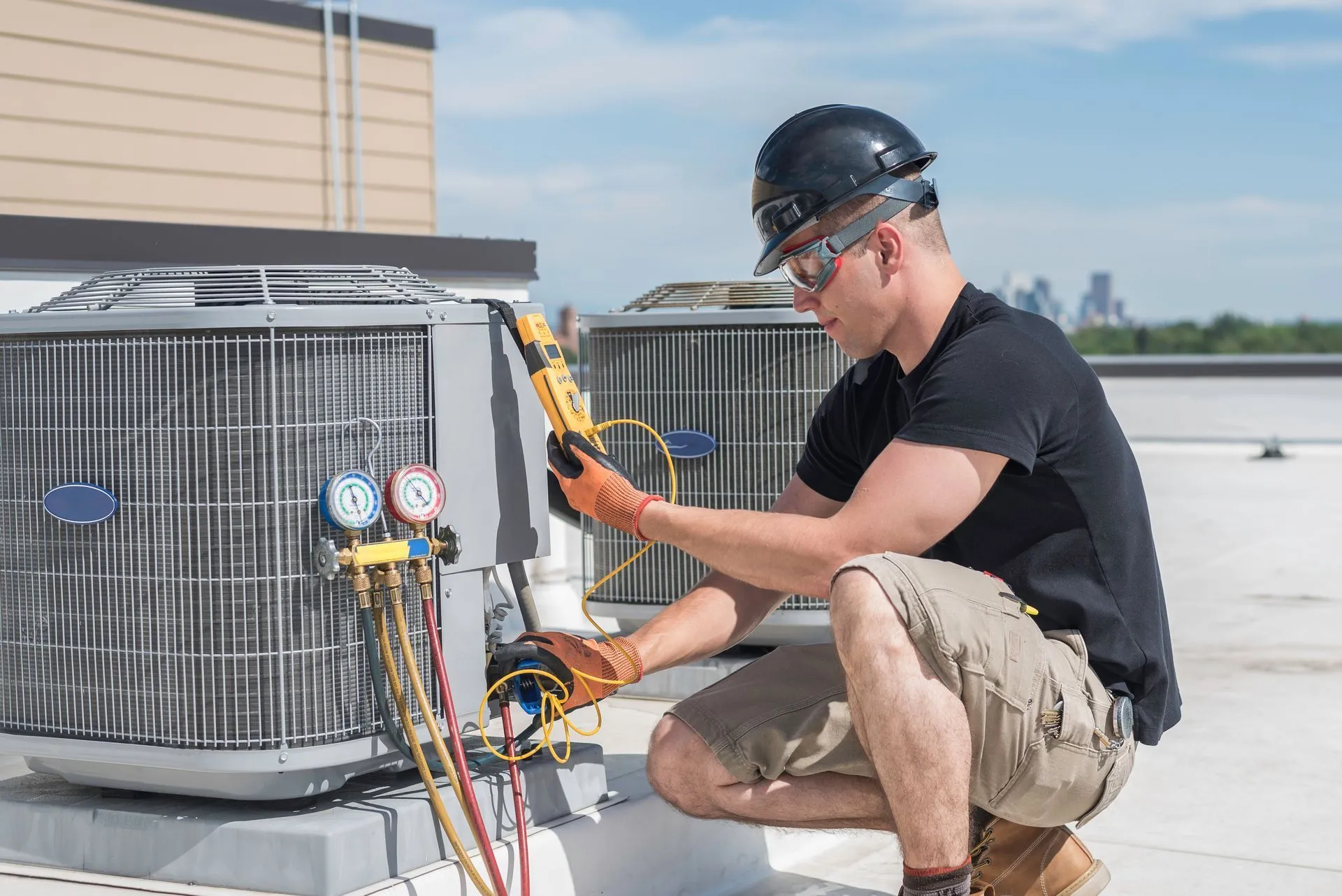
Switching to a hybrid system isn't just swapping a box in the garage. It requires correctly sizing the heat pump and confirming the furnace's efficiency rating. The control logic must also be set so the system switches fuel sources at the right outdoor temperature.
Here's a general picture of the process:
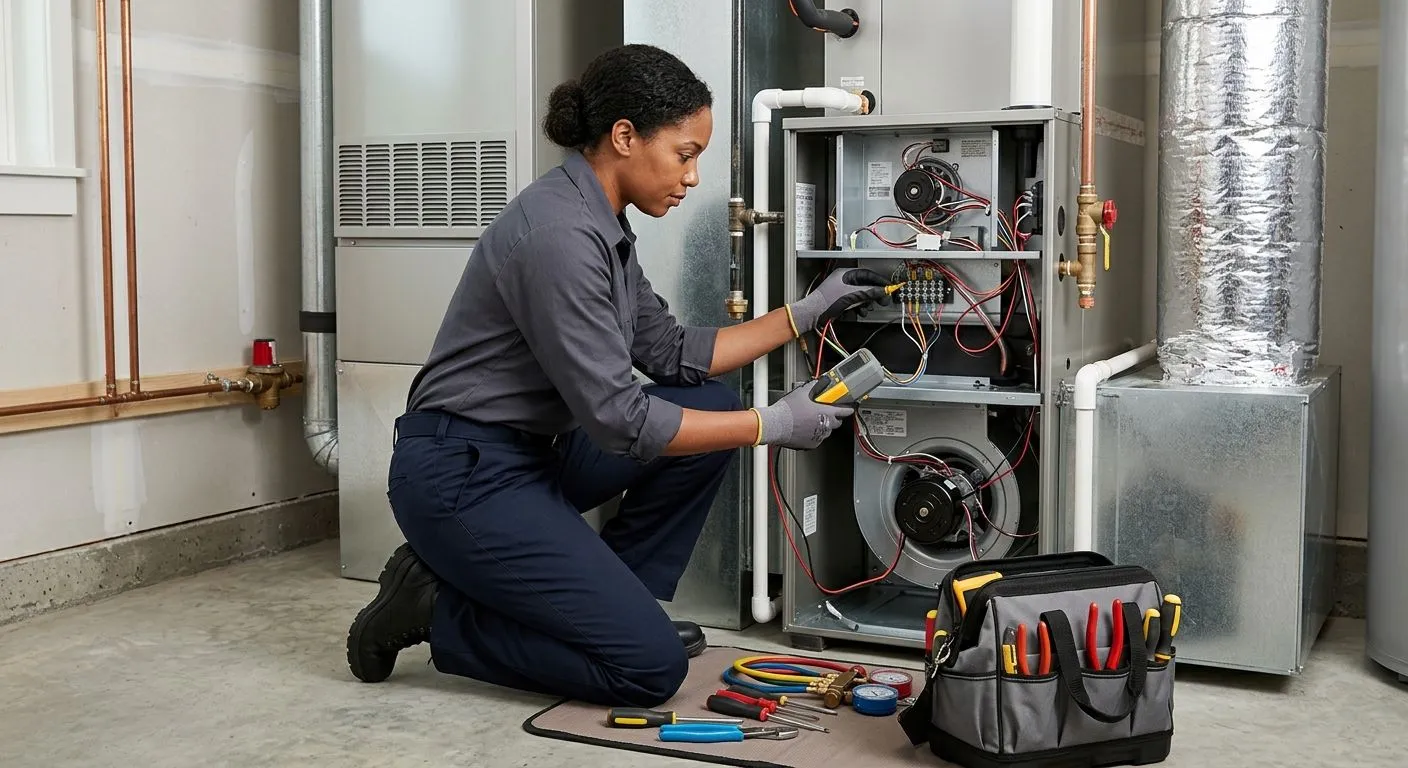
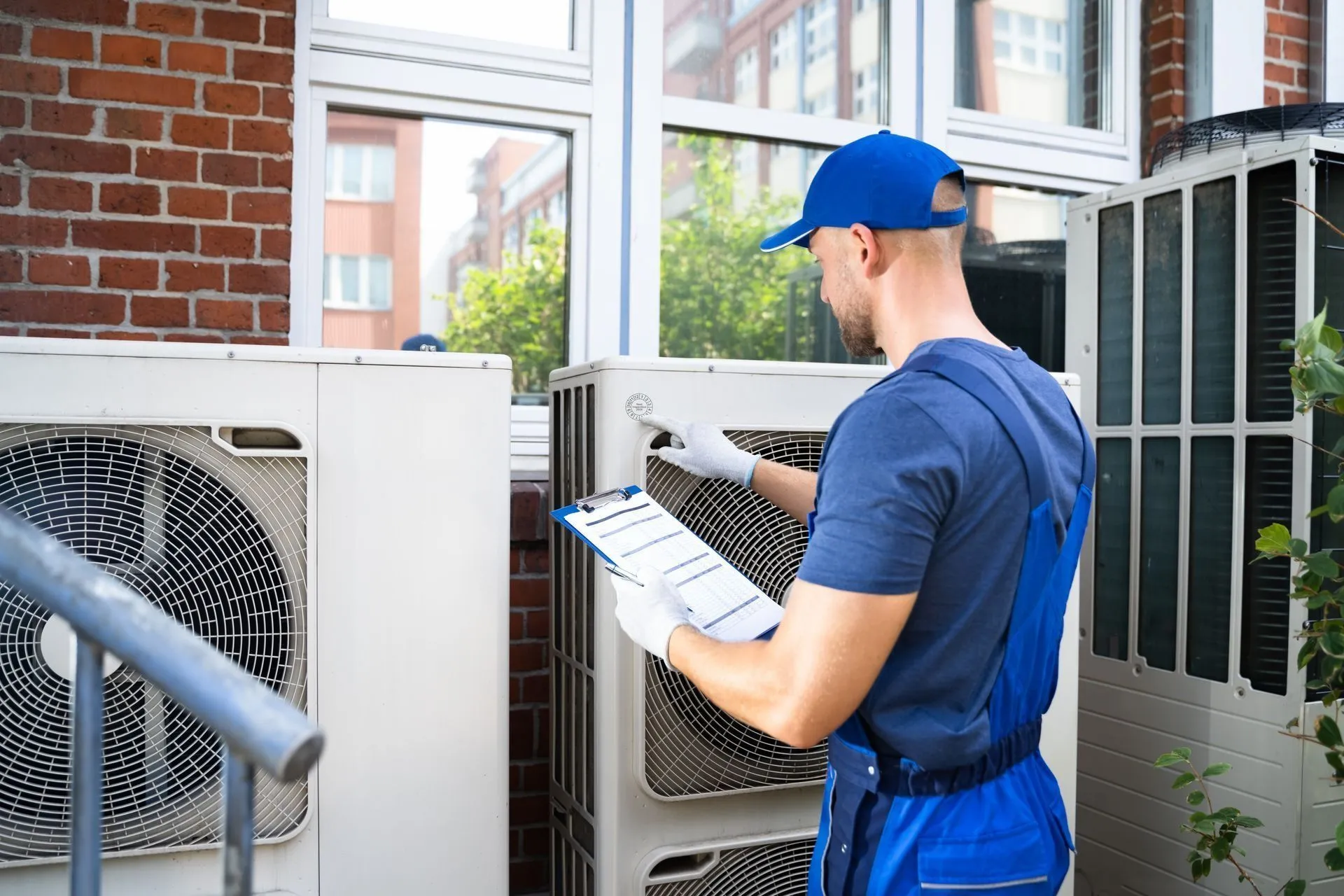
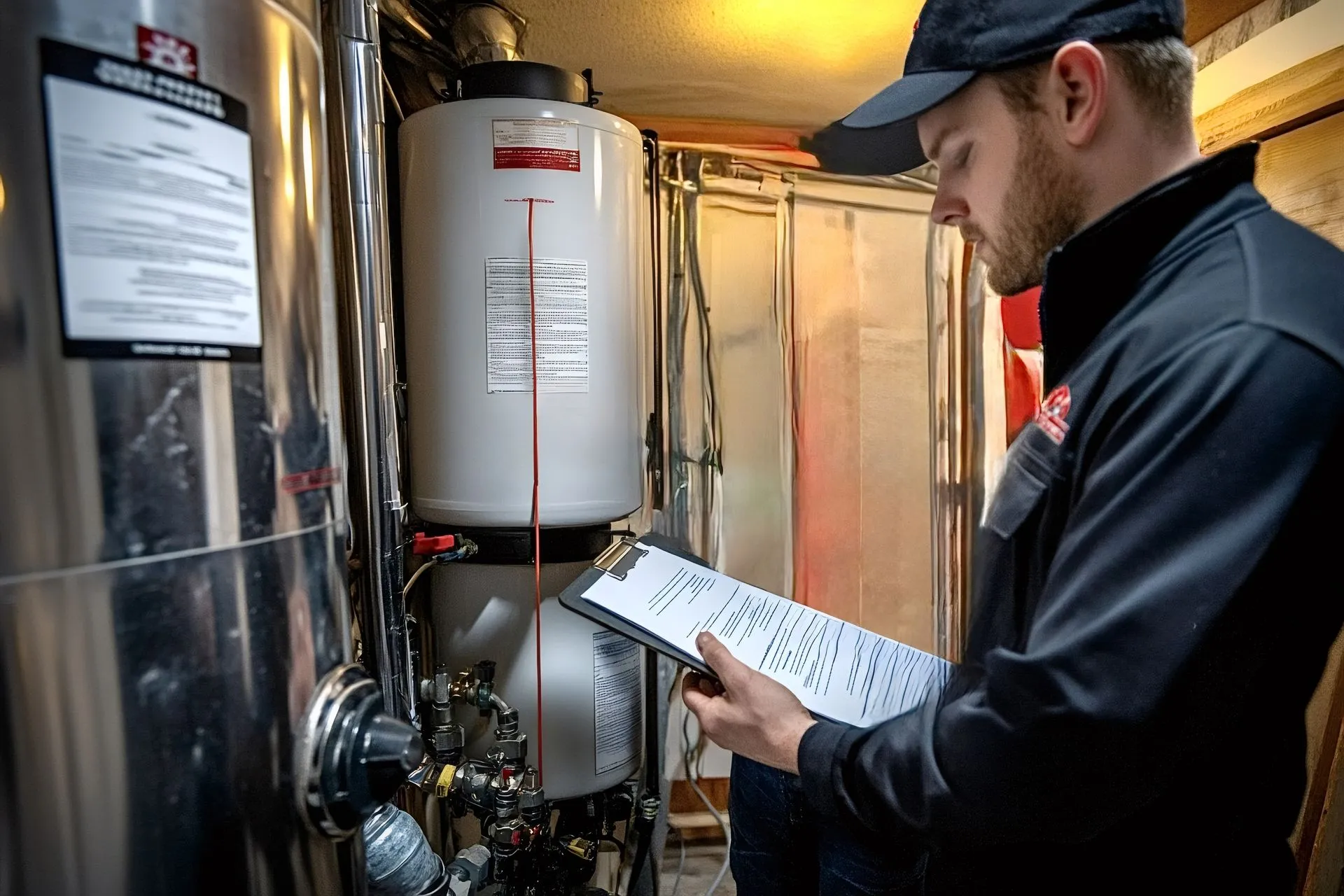
- An assessment of your current furnace, ductwork, and electrical capacity.
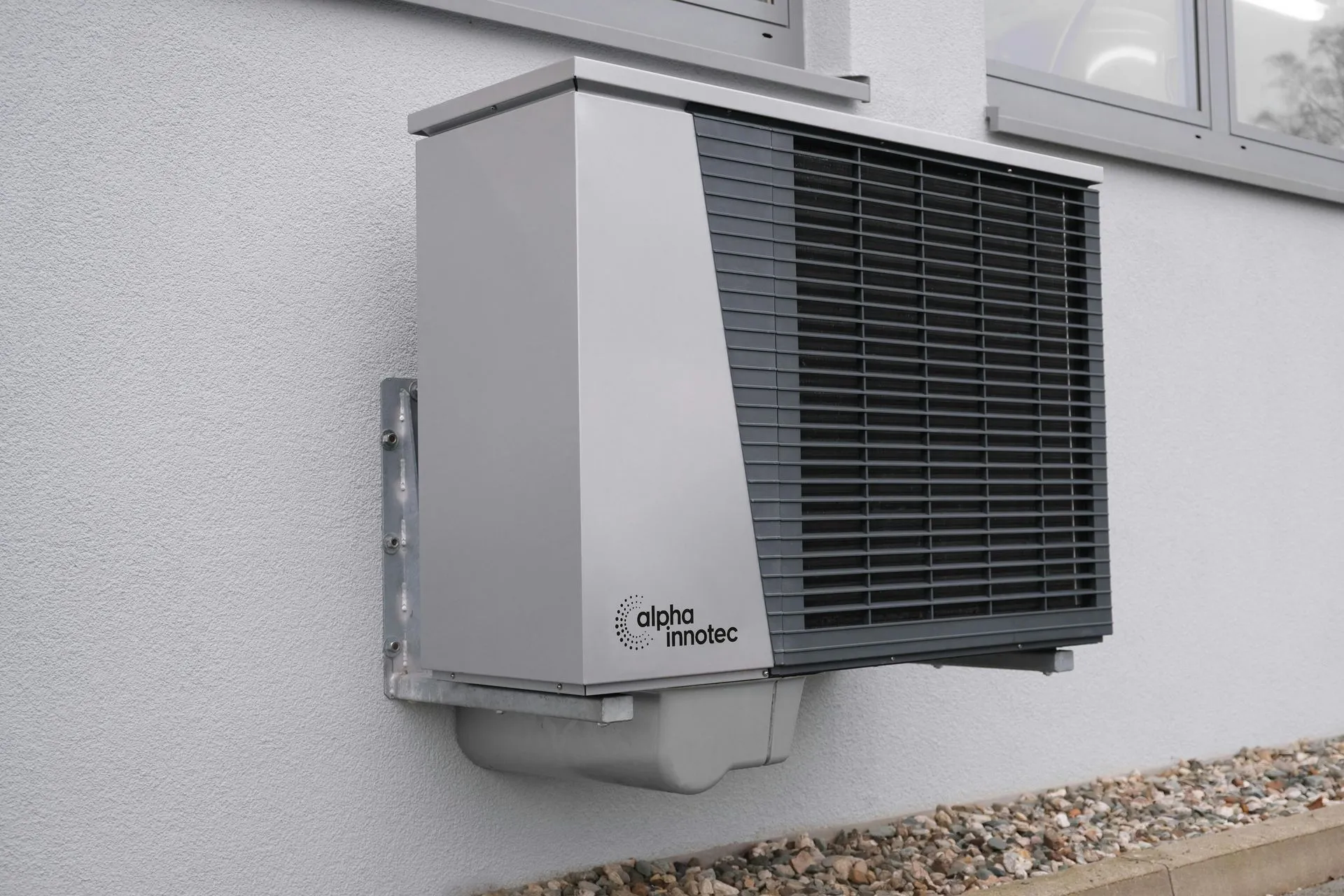
- Selection of a heat pump sized to your home's actual heating and cooling load.
- Installation of a compatible high-efficiency furnace if the existing one isn't suitable for dual fuel operation.
- Configuration of the changeover point so the system automatically favors the heat pump whenever conditions allow.
Getting that changeover point right is where experience matters. Set it too conservatively and you lose efficiency; set it too aggressively and the heat pump struggles on the coldest mornings.
Rebates Make the Timing Favorable
Oregon continues to push homeowners toward high-efficiency heat pumps over standalone AC units or resistance heat, and the incentives reflect that. Energy Trust of Oregon offers rebates ranging from roughly $800 to over $3,000 on qualified ductless or central heat pump installations. Programs like the Oregon Heat Pump Purchase Program can add further savings on top of that.
For a household weighing a dual fuel retrofit against a basic furnace replacement, those rebates often close much of the cost gap. It's worth having the conversation before committing to a straight swap.
Signs It's Time to Consider a Retrofit
Not every furnace needs replacing immediately, but certain signs point toward planning ahead rather than waiting for a breakdown in January:
- Your furnace is approaching 15 to 20 years old.
- Heating bills have crept up noticeably over the past few winters.
- You still rely on an oil tank for backup or primary heat.
- Rooms heat unevenly, or your current AC is a separate, aging unit.
Any one of these is a reasonable prompt to get a professional opinion before the next cold snap settles in.
Working With a Local Heating Team
Homeowners consistently mention how much they value clear answers and fair, straightforward pricing when they're deciding between equipment options. That matters even more with a hybrid system, since there are more components to explain and more decisions to walk through together.
A properly installed dual fuel heating system should feel invisible in daily use. You shouldn't need to flip a switch or adjust a thermostat setting when the weather shifts; the equipment should transition on its own. If you're exploring whether your existing furnace is a good candidate for this kind of retrofit, start here. A dual fuel heating system evaluation is a sensible first step before committing to any replacement.
Frequently Asked Questions
Does a dual fuel system cost more upfront than a standard furnace replacement?
It can, though available rebates often narrow that gap significantly. Energy Trust of Oregon offers these incentives, and long-term operating savings tend to offset the difference over time.
Will the gas furnace run constantly during winter?
No. The furnace is a backup component. It only activates when outdoor temperatures drop below the point where the heat pump can no longer heat efficiently.
Can a dual fuel system replace an old oil furnace?
Yes. This is one of the more common upgrades, since it eliminates dependence on oil deliveries while adding efficient cooling for summer.
Is this setup only useful in winter?
No. The heat pump component also provides air conditioning, so the system handles cooling duty through the warmer months as well.
Can I use my existing furnace with a dual fuel heating system?
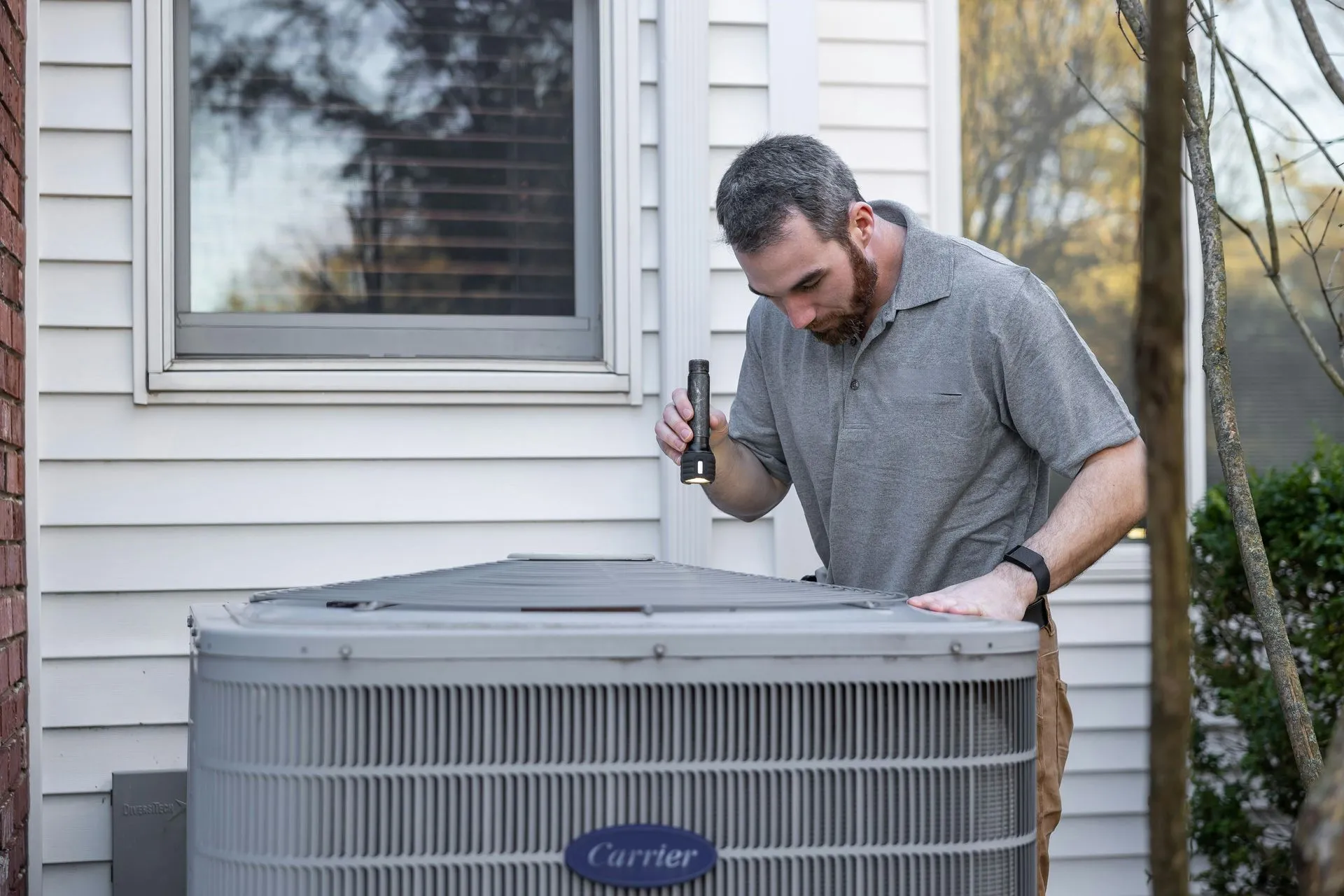
In many cases, yes. If your current furnace is in good condition and compatible with a heat pump, you may not need to replace it. A professional HVAC technician can inspect your equipment and determine whether adding a heat pump is a practical option for your home.
If you're weighing your options for an aging furnace or an all-electric heating setup, let's talk. It's worth having a real conversation about whether a hybrid system fits your home. Reach out to FTM Heating and Cooling to schedule an assessment before winter weather settles in for good.
Hotter Summers, Smoky Air, and Rising Bills: Why Gresham Homeowners Are Upgrading Their HVAC in 2026



Hotter Summers, Smoky Air, and Rising Bills: Why Gresham Homeowners Are Upgrading Their HVAC in 2026
Hotter Summers, Smoky Air, and Rising Bills: Why Gresham Homeowners Are Upgrading Their HVAC in 2026